Cost Guide
Cost of floor and wall tiling in Nigeria - 2026
Planning floor or wall tiling in Nigeria? This 2026 guide explains labour and labour plus materials costs per square metre, common exclusions, sample budgets and the factors that can change a contractor’s final quotation.
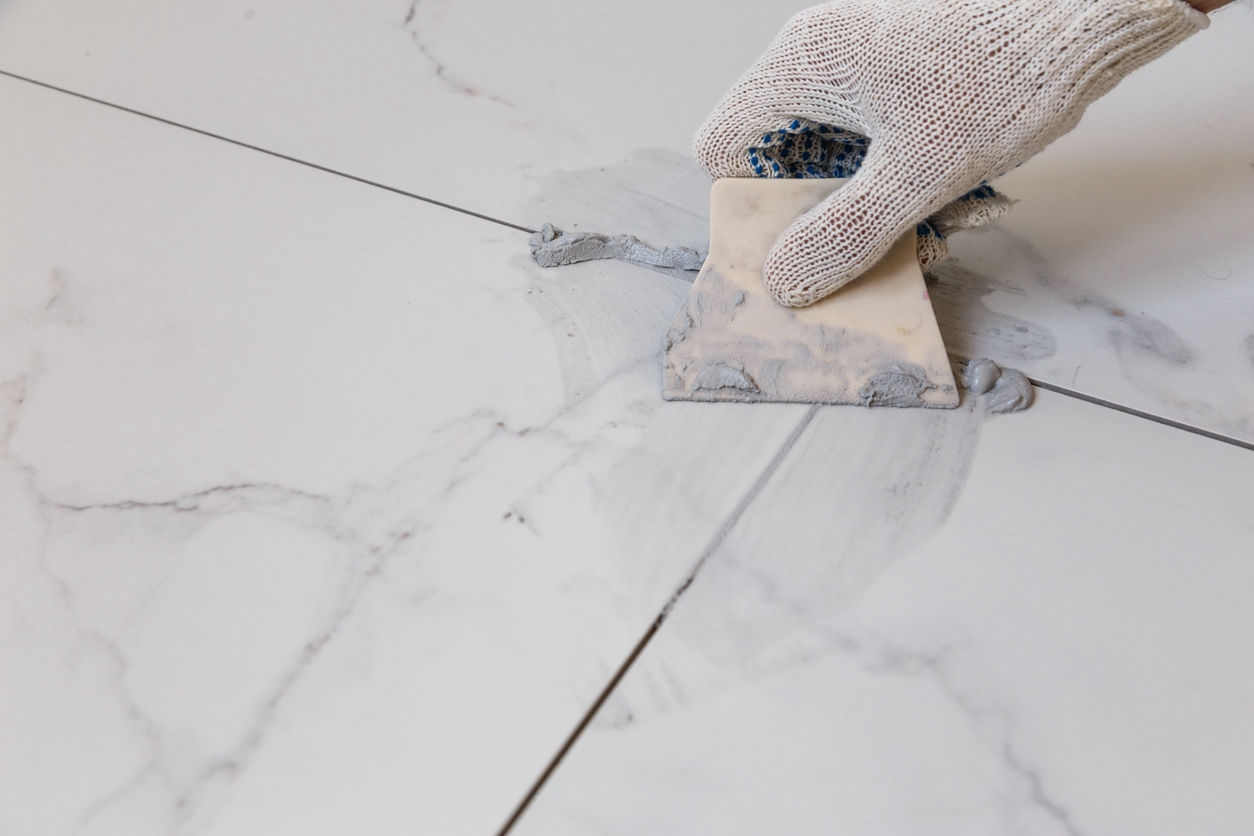
Average Cost of Wall Tiling, Labour + Materials
Estimated cost of Wall Tiling, including labour and materials.
Average Cost of Wall Tiling, Labour Only
Estimated labour cost of Wall Tiling, excluding materials.
Nigeria-wide figures use the local General / Nigeria record, or typical values from available state records. Final quotations depend on scope, specification and site condition.
Open full calculatorTable of contents
- 1How tiling costs are calculated
- 2A detailed tiling cost breakdown - what is included.
- 2.1What is normally charged separately.
- 3Tiling prices by size and specification
- 3.1Straight floor tiling
- 3.2Wall tiling
- 3.3Diagonal and patterned layouts
- 3.4Large-format tiles
- 3.5Bathroom and wet-area tiling
- 3.6Outdoor tiling
- 3.7Premium finishes
- 4Factors that affect the final price
- 4.1Tile quality and source
- 4.2Tile size
- 4.3Laying pattern
- 4.4Surface condition
- 4.5Number of cuts
- 4.6Location and access
- 4.7Project size
- 4.8Season and programme
- 4.9Contractor experience
- 5How tiling work is carried out
- 5.1Site inspection and measurement
- 5.2Scope and quotation
- 5.3Surface preparation.
- 5.4Fixing and cutting
- 5.5Setting period
- 5.6Grouting and sealing
- 5.7Cleaning and snagging
- 5.8Handover
- 6Expected project timeline
- 7Choosing tiles and installation specifications
- 7.1Ceramic or porcelain
- 7.2Polished or anti-slip
- 7.3Small or large format
- 7.4Light or dark grout
- 7.5Straight or decorative layout
- 8Questions to ask a tiler
- 9Common mistakes to avoid
- 9.1Buying the exact measured area
- 9.2Choosing by carton price alone
- 9.3Ignoring the surface
- 9.4Using the wrong tile in a wet area
- 9.5Accepting an unclear labour plus materials quote
- 9.6Paying too much before visible progress
- 9.7Allowing work to start without an agreed layout
- 10Conclusion
Important - The live Skillland price card should take priority over figures written in the article whenever the published Quote Prices record is updated.
1. How tiling costs are calculated
Most tilers price standard work by square metre. To get a starting quantity, measure the length and width of each floor and multiply the two figures. For a wall, multiply the wall width by its height, then make appropriate deductions for large openings where the contractor agrees that this is suitable. The measured area is not always the same as the quantity of tiles you should buy. Straight layouts normally need an allowance for cuts, breakage and future replacements. Complicated patterns, diagonal layouts, small spaces with many corners and tiles that must be matched across several surfaces need a larger allowance.A proper quotation should state:
- The measured tiling area.
- The tile size, type, brand or agreed quality.
- The estimated wastage allowance.
- Whether the quote is labour only or labour plus materials.
- The fixing method, adhesive and grout specification.
- Surface preparation, waterproofing and levelling requirements.
- Transport, waste removal and any access charge.
- Payment stages and the expected completion date.
2. A detailed tiling cost breakdown - what is included.
LabourLabour covers setting out, mixing fixing materials, laying, cutting and finishing. Straight floor tiling on a sound and level surface is usually less expensive than wall tiling, staircase tiling, mosaics, herringbone patterns or large-format tiles. The cost may also increase when work has to be completed in short phases because other trades are still using the site.
Tiles
Tile prices vary widely. Basic ceramic tiles can suit bedrooms and other light-use spaces. Porcelain is denser and is often chosen for busy floors or areas exposed to moisture. Anti-slip tiles are more suitable for many bathrooms, balconies, walkways and outdoor areas. Imported designer tiles, marble-look porcelain, mosaics and natural stone can take the project well beyond a standard
Labour plus materials range
Adhesive, cement and sand. The fixing material should suit the tile, the surface and the location. A standard indoor floor may use a different system from a wet bathroom wall, an external surface or a large-format porcelain tile. Customers should not assume that the cheapest fixing method is suitable for every tile.
Grout, spacers and trims
Grout fills the joints and affects the finished appearance. Spacers help keep the joints consistent. Edge trims, movement joints and transition pieces may be required around steps, doorways, wall edges and changes in flooring.
Screeding and surface preparation
Tiles do not correct a poor floor. High spots, depressions, loose screed, cracks, dust, oil, moisture or hollow existing tiles must be assessed before installation. Levelling, screeding or repairs are often priced separately because their extent cannot be known from the room size alone.
Waterproofing
Bathrooms, shower areas, balconies and some external surfaces may need a waterproofing system before tiling. Tiles and grout alone should not be treated as a complete waterproof barrier.
Transportation and handling
Delivery charges depend on supplier location, distance, order size, road access, fuel costs and whether the cartons must be carried upstairs or through a restricted site. Large tiles are heavier and more vulnerable to breakage during handling.
Equipment
Ordinary hand tools may be covered by the tiler's labour rate. Specialist cutters, wet saws, large-format lifting equipment, grinding tools, scaffolding or generators may be charged separately when the work requires them.
Inspection and consultation
A straightforward site visit may be included when a tiler is preparing a quotation. A detailed measurement, defect investigation, specification review or professional report may attract a separate fee. Confirm this before the visit.
Waste removal and cleaning
Removing broken tiles, old screed, packaging and leftover mortar can add labour and transport costs. A quotation should say who will clear the site and where the waste will go.
2.1 What is normally charged separately.
The following items are commonly outside a basic tiling price unless the quotation expressly includes them:Removing existing tiles and carting away debris.
Major screeding, levelling or crack repairs.
Waterproofing bathrooms, roofs, balconies or wet areas. 4. Plumbing changes, floor traps and drainage correction.
Premium, imported, large-format, mosaic or natural stone tiles.
Complex patterns, borders, medallions and extensive cutting.
Staircases, columns, curved walls and difficult external elevations.
Scaffolding, specialist cutting equipment or lifting equipment.
Night work, restricted estate hours or repeated mobilization.
Transport outside the contractor's normal service area.
Replacing doors or adjusting skirting after the floor level changes.
Repairs caused by leaks, movement or structural defects.
3. Tiling prices by size and specification
3.1 Straight floor tiling
This is usually the most economical arrangement when the surface is level, the room is reasonably square and the tile is a manageable size. The nationwide labour guide of ₦1,500 to ₦3,000 per square metre is most useful for this kind of early estimate.3.2 Wall tiling
Wall tiling often involves more setting out, support, corners, plumbing penetrations and careful alignment. Bathrooms and kitchens can have a small total area but many cuts. Labour may therefore be higher than for an open floor of the same size.3.3 Diagonal and patterned layouts
Diagonal, herringbone and decorative layouts need more cutting and setting out. They also increase wastage. Ask for the pattern charge and waste allowance to be shown separately.3.4 Large-format tiles
Large-format tiles can create a clean finish, but they need a flatter surface, careful handling and suitable fixing materials. A large tile can still sit badly if the floor has high and low points. The installer should assess the substrate before agreeing a final price.3.5 Bathroom and wet-area tiling
Bathroom costs may include screeding to falls, floor-trap detailing, waterproofing, wall tiling and sealing around fittings. A low tiling quote that ignores drainage and waterproofing can become expensive when defects appear later.3.6 Outdoor tiling
Balconies, compounds, steps and walkways need tiles and fixing materials that suit outdoor exposure. Slip resistance, water run-off, movement and heat should be considered.3.7 Premium finishes
Mosaics, natural stone, book-matched designs, imported porcelain and detailed feature walls may require specialist labour. Premium tile supply alone can exceed the high end of the standard.4. Factors that affect the final price
4.1 Tile quality and source
Locally available ceramic, Nigerian porcelain, imported porcelain, mosaics and natural stone do not have the same price. Even two tiles with the same dimensions can differ in thickness, finish, shade consistency and durability.4.2 Tile size
Large tiles cover more area per piece, but they are heavier and less forgiving of an uneven surface.Small mosaics involve more joints and detail. Both can require specialist handling.4.3 Laying pattern
A straight grid is usually faster and produces less waste than a diagonal, herringbone or mixed-size layout.4.4 Surface condition
Loose screed, cracks, uneven floors, damp walls and old finishes must be addressed before tiling. Hiding a defect under new tiles does not remove it.4.5 Number of cuts
Small bathrooms, kitchens, columns, steps and spaces with many fittings take longer per square metre than open rooms.4.6 Location and access
Distance from the supplier, traffic, road condition, stairs, lifts, estate restrictions, parking and storage can affect delivery and labour.4.7 Project size
A small repair may have a higher effective rate per square metre because the contractor still has to travel, set up tools and spend part of a working day on site.4.8 Season and programme
External work can be affected by rain. Rushed work, night work and repeated mobilisation can also increase the price.4.9 Contractor experience
A specialist who can demonstrate suitable work may charge more than an inexperienced installer.The cheapest price is not a saving if the tiles become hollow, uneven or loose.
5. How tiling work is carried out
5.1 Site inspection and measurement
The contractor confirms the area, substrate, tile type, pattern, access and supporting work.5.2 Scope and quotation
Labour, materials, exclusions, timing and payment stages are written down.5.3 Surface preparation.
The area is cleaned, repaired, levelled or screeded as required. Wet areas may be waterproofed and tested.5.4 Fixing and cutting
Tiles are laid with the agreed material and joint spacing. Cuts are made around edges, pipes, drains and fittings.5.5 Setting period
The tiled area is protected while the fixing material gains strength. Foot traffic should be restricted according to the product and site conditions.5.6 Grouting and sealing
Joints are filled after the tiles are sufficiently set. Natural stone and some specialist finishes may require sealing.5.7 Cleaning and snagging
Excess grout is removed, alignment and hollow spots are checked, and agreed defects are corrected.5.8 Handover
The customer receives care advice, leftover tiles where applicable and any agreed warranty or product information.6. Expected project timeline
A small 10 to 20 square metre room on a ready surface may take one to two working days for laying, followed by the necessary setting and grouting time. A medium 40 to 60 square metre project may take three to five working days, depending on the number of rooms, cuts and preparation required. A 100 square metre or multi-room project may take one to two weeks. Bathrooms, staircases, occupied buildings and complex patterns may extend the programme. These are planning examples. Screeding, waterproofing, repairs, product curing times, poor access and coordination with plumbers or other trades can change the schedule.7. Choosing tiles and installation specifications
7.1 Ceramic or porcelain
Ceramic tiles are often more affordable and easier to cut. Porcelain is denser and usually better suited to heavy use and moisture, although product quality still varies. Choose for the room, not simply for appearance.7.2 Polished or anti-slip
Highly polished tiles can suit dry internal spaces but may be slippery when wet. Ask about an appropriate anti-slip surface for bathrooms, entrances, balconies, compounds and pool areas.7.3 Small or large format
Large tiles can make a room feel calm and spacious, but the floor must be flat and the installer must have suitable tools. Smaller tiles can be easier around slopes and drains.7.4 Light or dark grout
Grout colour affects the finished look and future maintenance. A contrasting grout highlights the tile grid; a close colour creates a quieter appearance. The grout must still suit the joint width and location.7.5 Straight or decorative layout
Decide the pattern before buying. Decorative layouts need more time, more cuts and more spare tiles.8. Questions to ask a tiler
- Have you installed this tile type and size before?
- Is the floor or wall ready for tiling, or does it need repair or levelling?
- What fixing material and grout will you use, and why are they suitable?
- Does the quotation include tile supply, adhesive, grout, spacers, trims and transport?
- What wastage allowance have you used?
- How will you handle waterproofing and drainage in wet areas?
- Are demolition and waste removal included?
- How long will laying, setting, grouting and handover take?
- What payment stages do you propose?
- Can I see relevant completed work or a public Skillland profile?
- Who is responsible if the delivered tile shade or quantity is wrong?
- What defects will you correct during snagging?
- Review approved public profiles before deciding who to contact: View Top Rated Skillmen
9. Common mistakes to avoid
9.1 Buying the exact measured area
Cuts, breakage and shade matching require an allowance. Buy all agreed tiles from the same batch where possible and keep a small quantity for future repairs.9.2 Choosing by carton price alone
Confirm the number of pieces and square metres in each carton. Two cartons with similar prices may cover different areas.9.3 Ignoring the surface
An uneven or weak surface can produce lippage, hollow sounds, cracks and loose tiles. Preparation should be priced before laying starts.9.4 Using the wrong tile in a wet area
A beautiful polished tile may be unsafe on a frequently wet floor. Suitability matters more than appearance.9.5 Accepting an unclear labour plus materials quote
Ask for brands, quantities, tile allowance, transport and exclusions. An undetailed total is difficult to compare.9.6 Paying too much before visible progress
Agree reasonable mobilization and payment stages that match material delivery and work completed. Read Skillland's trust and safety guidance before transferring money.9.7 Allowing work to start without an agreed layout
Confirm the direction, starting point, joint width, pattern and treatment of visible edges. It is much harder to change the layout after tiles have been fixed.10. Conclusion
Good tiling begins with accurate measurements, suitable materials and a clear quotation. Use this guide to plan your budget, compare the complete scope of work and choose a tiler with relevant experience. When you are ready, use Skillland to calculate an estimate or request quotes from suitable professionals.Wall Tiling costs by state and the FCT
Choose a state or the FCT to view the local wall tiling page, pricing and project guidance.
South West
North Central
South South
South East
North West
North East
Ready to start your project?
Post your project on Skillland and connect with trusted artisans and contractors in Nigeria.
Post a Project