Cost Guide
Cost of smart home installation in Nigeria, 2026
Let’s start with the most important part: the numbers. What you will likely pay: Starter smart home setup (lights and smart plugs) : ₦150,000 to ₦400,000 Mid range smart home system (lighting, security and climate control) : ₦600,000 to ₦2,000,000 Full home automation system : ₦2,000,000 to ₦10,000,000+ Smart door lock installation : ₦80,000 to ₦250,000 Smart CCTV and home automation bundle : ₦300,000 to ₦800,000
Average Cost of Smart Home Installation, Labour + Materials
Estimated cost of Smart Home Installation, including labour and materials.
Average Cost of Smart Home Installation, Labour Only
Estimated labour cost of Smart Home Installation, excluding materials.
Nigeria-wide figures use the local General / Nigeria record, or typical values from available state records. Final quotations depend on scope, specification and site condition.
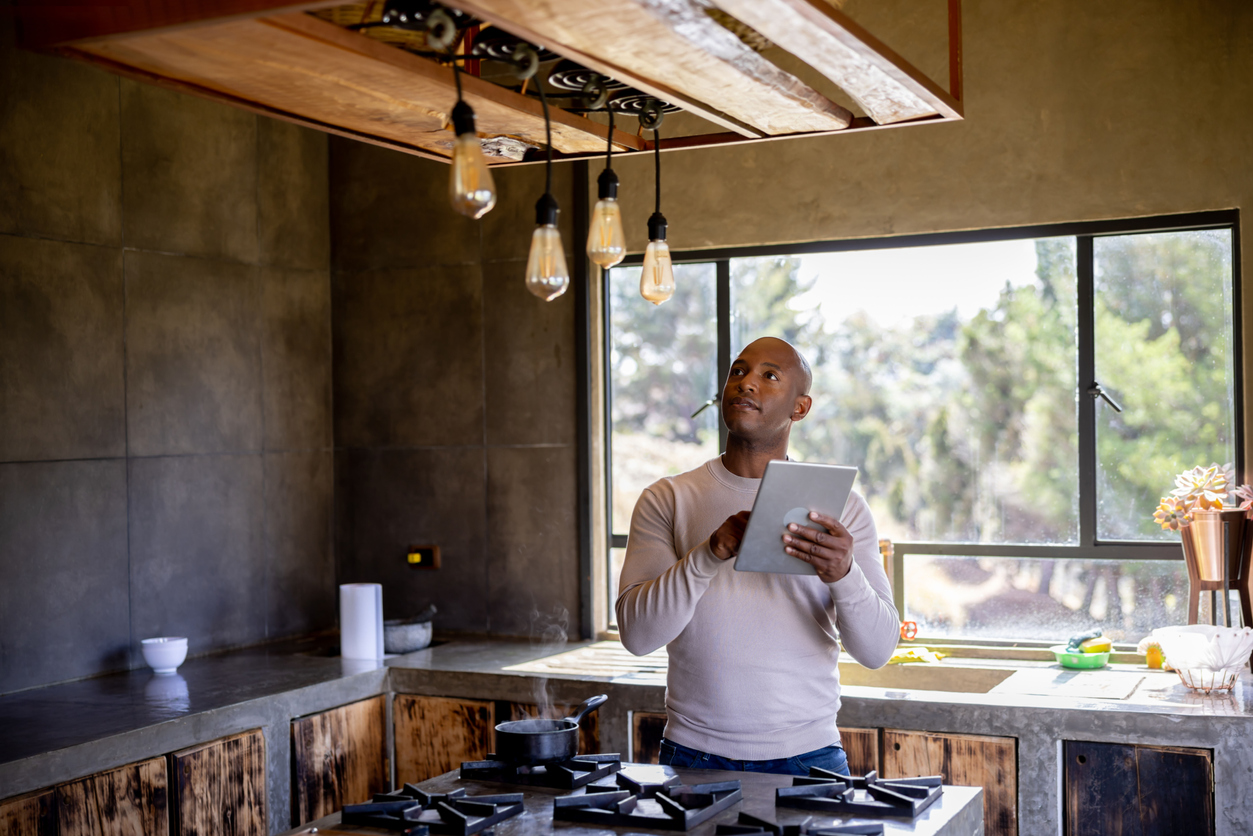
Open full calculatorSmart home technology is no longer reserved for luxury mansions or futuristic show homes. Across Lagos, Abuja, Port Harcourt and many other Nigerian cities, more homeowners are investing in smart lighting, intelligent security systems, automated gates, smart locks and voice controlled devices that make everyday living more convenient.
The growing availability of affordable devices has made entry into smart home technology much easier than it was just a few years ago. A homeowner can begin with a few smart bulbs and gradually expand into a fully automated home without replacing the entire electrical system.
However, building a smart home is not simply about buying gadgets. Many people purchase different devices only to discover that they cannot communicate with one another. Others hire installers who understand electrical work but have little knowledge of networking or automation, resulting in unreliable systems.
This guide explains what smart home installation costs in Nigeria in 2026, the different levels of automation available, and how to avoid expensive mistakes before investing.
1. Smart home components and individual costs
| Scope / project type | Low | High | Notes |
|---|---|---|---|
| Smart bulbs (quality brands, per bulb) | ₦8,000 | ₦25,000 | Philips Hue, Sonoff, Yeelight |
| Smart plug or socket (per unit) | ₦8,000 | ₦20,000 | Remote control and energy monitoring |
| Smart light switch | ₦15,000 | ₦40,000 | Replaces conventional wall switch |
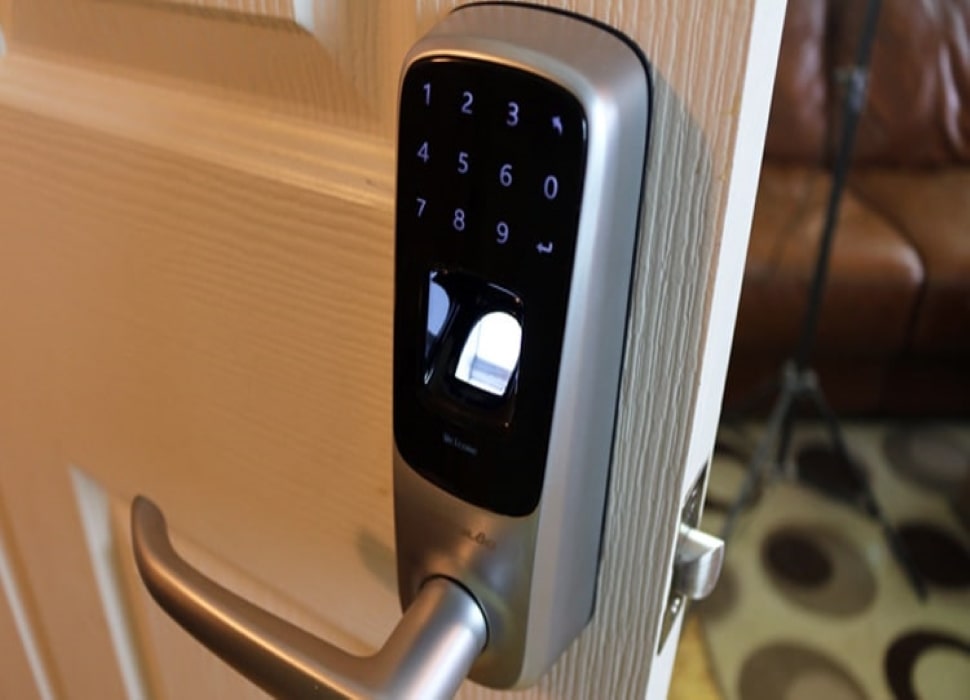
| Smart door lock | ₦80,000 | ₦250,000 | Fingerprint, PIN and app access |
| Smart thermostat or AC controller | ₦25,000 | ₦80,000 | Controls compatible air conditioners |
| Smart video doorbell | ₦40,000 | ₦120,000 | Video calls and visitor alerts |
| Motion sensor | ₦10,000 | ₦30,000 | Triggers lighting or security alerts |
| Smart home hub | ₦30,000 | ₦80,000 | Google Home or Amazon Alexa |
| Professional automation controller | ₦500,000 | ₦3,000,000 | KNX, Crestron and similar systems |
| Installation labour (per technician per day) | ₦20,000 | ₦50,000 | Programming and system integration |
2.Three levels of smart home installation in Nigeria
Level 1: Starter smart home (₦150,000 to ₦400,000)This is where most homeowners begin.
A starter setup usually includes smart bulbs, smart plugs, a voice assistant speaker and one central control application. Users can switch lights on or off remotely, create schedules, monitor energy usage and control devices using voice commands.
This level is suitable for:
●Apartments
●Rental properties
●Small homes
●First time smart home users
Most products at this level are relatively easy to install and can often be configured without professional assistance, although hiring an installer can make the setup faster and more reliable.
Level 2: Integrated smart home system (₦600,000 to ₦2,000,000)
A mid range installation connects several systems together instead of operating each one separately.
A typical package may include:
●Smart lighting throughout the house
●Smart CCTV cameras
●Smart video doorbell
●Smart locks
●Remote gate control
●Air conditioner automation
●Motion sensors
●Mobile app control
Everything works from one platform, allowing homeowners to monitor and control multiple devices from anywhere.
At this level, professional installation is strongly recommended because networking, device integration and automation routines become more complex.
Level 3: Full home automation (₦2,000,000 to ₦10,000,000+)
This is the type of installation commonly found in luxury residences.
Instead of controlling individual devices, the entire house functions as one connected system.
For example, a single command such as “Good Night” can automatically:
●Switch off every light.
●Lock all doors.
●Close automated curtains.
●Turn off selected appliances.
●Activate security cameras.
●Arm the alarm system.
● Adjust indoor temperature.
Professional systems such as KNX, Crestron, Control4 and Savant provide seamless automation, high reliability and room for future expansion.
These installations require specialist engineers who understand electrical systems, networking and automation programming.
3. The most important decision is choosing one ecosystem
One mistake many homeowners make is buying smart devices from different manufacturers without checking whether they are compatible.
A much better approach is to choose a single ecosystem before purchasing any equipment.
The most common smart home ecosystems include:
●Google Home
●Amazon Alexa
●Apple HomeKit
Selecting one platform first makes future expansion much easier and ensures your devices work together instead of operating independently.
4. Why network quality is everything
The performance of a smart home depends just as much on the network as it does on the devices themselves. Even the most expensive smart bulbs, cameras, and automation systems will become unreliable if the Wi-Fi connection is weak or unstable.Many Nigerian homes rely on a single wireless router placed in the sitting room. While this may be enough for basic internet browsing, it is often inadequate for a smart home where dozens of devices need a constant connection. Bedrooms, kitchens, balconies, and outdoor areas may experience weak signals, causing devices to disconnect or respond slowly.
For medium to large homes, a mesh Wi-Fi system is usually the better solution. Rather than depending on one router, a mesh system uses multiple access points positioned around the house to provide consistent coverage.
As a guide, you should budget approximately ₦80,000 to ₦250,000 for a quality mesh Wi-Fi system before investing heavily in smart home devices. A reliable network forms the foundation of every successful smart home installation.
5. Other costs you should budget for
When planning a smart home project, many homeowners focus only on the cost of the devices themselves. However, there are several additional expenses that may arise depending on the size of the installation.These may include:
●Additional Wi-Fi access points or mesh networking.
●UPS backup for the router and automation hub.
●Professional programming and device integration.
●Network switches for larger homes.
●Electrical modifications where smart switches replace conventional switches.
●Software updates or future expansion as new devices are added.
Planning for these costs from the beginning helps prevent unexpected expenses later in the project.
6. Common mistakes to avoid
A smart home should make life easier, not more complicated. Avoid these common mistakes during installation.●Purchasing devices from different ecosystems that cannot communicate with one another.
●Using poor quality Wi-Fi equipment that leaves parts of the home without coverage.
●Installing smart switches without using a qualified electrician.
●Ignoring backup power for the router and automation hub, causing devices to disconnect whenever electricity goes off.
●Buying very cheap, unbranded devices with no software support or security updates.
●Choosing products solely because they are inexpensive instead of considering long term reliability and compatibility.
7. Build your smart home with trusted professionals on Skillland
A smart home combines electrical installation, networking, security, and automation. That is why choosing the right installer is just as important as choosing the right devices.On Skillland.ng, you can find experienced professionals who can help you design, install, configure, and expand your smart home system. Whether you are installing smart lighting, automated gates, smart locks, CCTV systems, voice assistants, or a complete home automation solution, working with verified professionals helps ensure every device functions together as intended.
With the right expertise, your smart home will not only look impressive but will also be reliable, secure, and easy to use for many years to come.
8. Conclusion
Smart home technology is becoming increasingly practical for Nigerian homeowners. Whether your goal is improved convenience, better security, energy savings, or greater control over your home, automation can add real value when planned properly.
The best approach is to start with your needs rather than buying every available gadget. Choose a single smart home ecosystem, invest in a reliable Wi-Fi network, and purchase quality products that can be expanded over time. A carefully planned system is far easier to maintain and upgrade than one built from incompatible devices.
Most importantly, remember that the installation is just as important as the equipment. Even premium devices will perform poorly if they are incorrectly installed or configured.
9. Frequently asked questions
How much does smart home installation cost in Nigeria in 2026?A basic smart home setup with smart bulbs, plugs, and a voice assistant typically costs between ₦150,000 and ₦400,000.
A more advanced installation that includes smart lighting, CCTV cameras, smart locks, air conditioner control, and integrated automation usually costs between ₦600,000 and ₦2,000,000.
Professional whole house automation systems generally start from ₦2,000,000 and can exceed ₦10,000,000 depending on the property’s size and the level of automation required.
Can smart home devices work with generators and inverters in Nigeria?
Yes. Most smart home devices work perfectly with generators, inverters, and solar systems.
However, whenever power goes off, devices such as Wi-Fi routers and automation hubs also shut down unless they are connected to a UPS or backup power source. Keeping the network online during power interruptions ensures that smart devices reconnect quickly and continue working normally.
Which smart home platform is best for Nigeria?
Google Home and Amazon Alexa remain the most popular choices because they support a wide range of affordable devices available in Nigeria.
Apple HomeKit offers excellent security and privacy but supports fewer compatible products.
For premium residential projects, professional automation platforms such as KNX, Control4, and Crestron provide the highest level of integration and reliability.
Do I need a professional installer?
Simple installations involving smart bulbs, smart plugs, and voice assistants can usually be completed without professional assistance.
However, smart switches, smart door locks, CCTV integration, automated gates, curtain systems, and whole house automation should always be installed by experienced professionals. Proper installation ensures the electrical work is safe, devices communicate correctly, and the entire system remains secure and reliable.
Smart Home Installation costs by state and the FCT
Choose a state or the FCT to view the local smart home installation page, pricing and project guidance.
South West
North Central
South South
South East
North West
North East
Ready to start your project?
Post your project on Skillland and connect with trusted artisans and contractors in Nigeria.
Post a Project