Cost Guide
Cost of terrazzo flooring in Nigeria, 2026
What terrazzo flooring costs in Nigeria, the different terrazzo options available, what affects the final price, and why this timeless flooring finish is making a strong comeback in homes and commercial buildings across Nigeria. Let’s start with the most important part: the numbers. What you will likely pay: Traditional cement terrazzo (labour + materials): ₦10,000 – ₦15,000 per sqm Epoxy terrazzo (supply + application): ₦18,000 – ₦40,000 per sqm Precast terrazzo tiles (supply + installation): ₦6,000 – ₦15,000 per sqm Grinding and polishing (per m²): ₦3,000 – ₦7,000 Terrazzo restoration (existing floor): ₦4,000 – ₦10,000 per sqm
Average Cost of Terrazzo Flooring, Labour + Materials
Estimated cost of Terrazzo Flooring, including labour and materials.
Average Cost of Terrazzo Flooring, Labour Only
Estimated labour cost of Terrazzo Flooring, excluding materials.
Nigeria-wide figures use the local General / Nigeria record, or typical values from available state records. Final quotations depend on scope, specification and site condition.
Open full calculatorTerrazzo flooring is enjoying a genuine revival in Nigeria. A flooring material that was once common in hospitals, universities, government buildings and upscale homes during the 1970s and 1980s is steadily finding its way back into modern residential and commercial projects. Architects and interior designers are once again recommending terrazzo because it combines timeless beauty with exceptional durability, offering a finish that mass-produced porcelain tiles often cannot replicate.
Unlike many flooring options that need replacement after years of use, a properly installed terrazzo floor can last for decades with only occasional polishing and maintenance. It is easy to clean, stays cool underfoot in Nigeria’s warm climate and offers virtually endless design possibilities through different combinations of marble chips, granite, glass and coloured aggregates.
Here is what terrazzo flooring costs in Nigeria in 2026, the different types available, the factors that influence pricing and why workmanship plays a much bigger role than many people realise.
1. What terrazzo is and the three types available in Nigeria
1.1 Traditional In-situ cement terrazzo
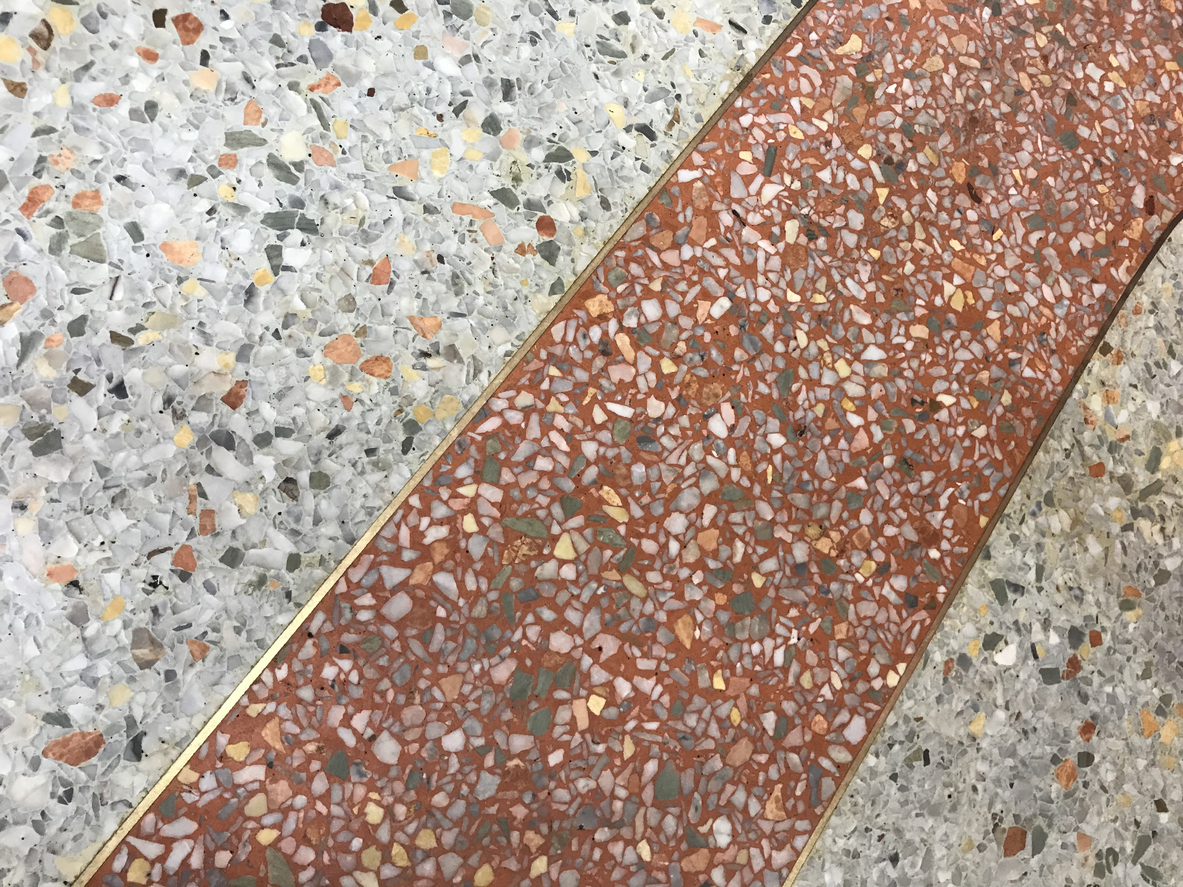
Traditional cement terrazzo remains the most common type used in Nigeria. It is created by mixing white or coloured cement with decorative aggregates such as marble chips, granite chips or glass before pouring the mixture directly onto the prepared floor.Once the surface has cured properly, it undergoes several stages of grinding and polishing until the stone chips become visible, producing the smooth, elegant finish terrazzo is known for. Divider strips made from brass, aluminium or plastic are often incorporated into the design to control cracking while also creating decorative patterns.
A well-installed cement terrazzo floor can last for several decades and can be reground and polished again whenever signs of wear begin to appear.
1.2 Epoxy terrazzo
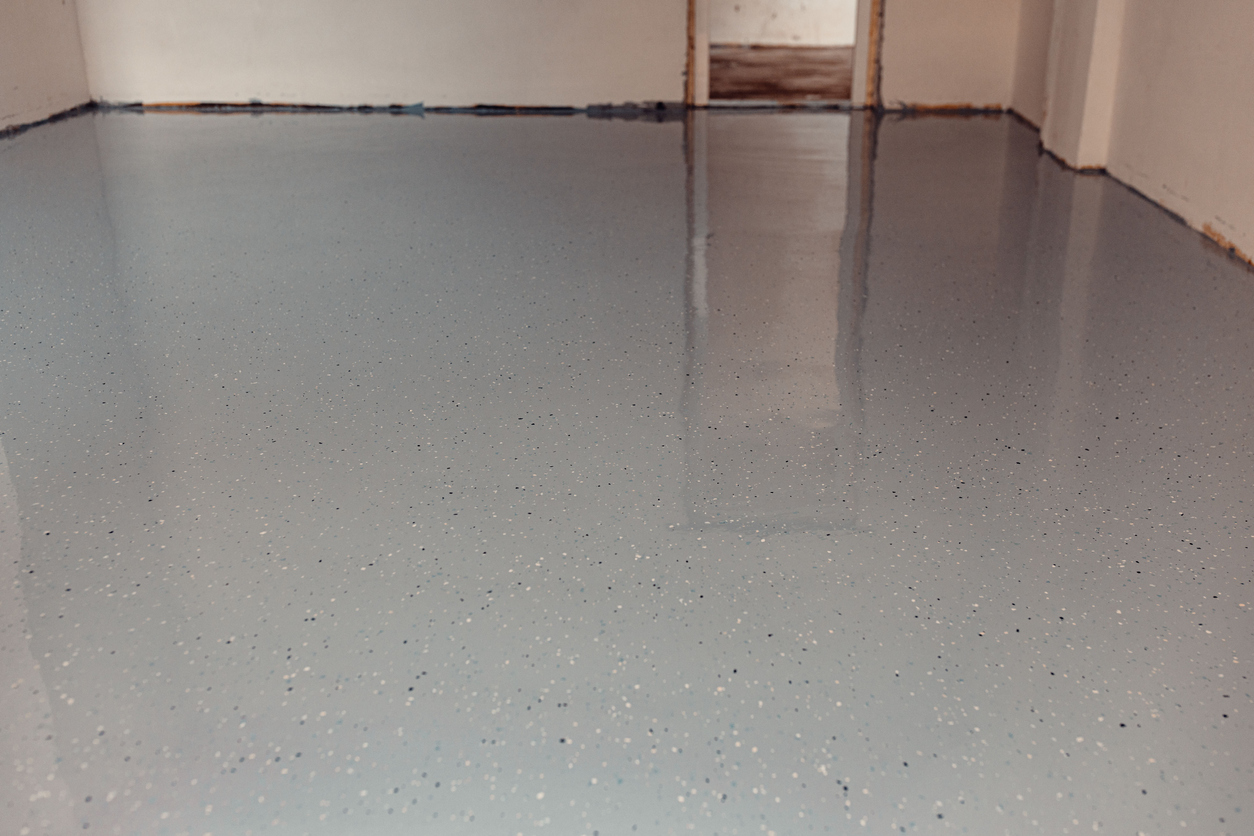
Epoxy terrazzo replaces cement with epoxy resin, producing a thinner flooring system with brighter colours and greater design flexibility.Because epoxy is more flexible than cement, it is less prone to cracking and is commonly used in luxury hotels, shopping malls, airports, hospitals and premium office buildings. It is also available in a much wider range of colours, making it a popular choice for modern interior spaces.
However, epoxy terrazzo costs more than conventional cement terrazzo and usually requires specialist installers with experience working with resin flooring systems.
1.3 Precast terrazzo tiles
Precast terrazzo tiles are manufactured in a factory before being transported to site for installation.Unlike in-situ terrazzo, they are installed much like conventional floor tiles, making them a practical option for renovation projects where construction time needs to be reduced.
Although they do not provide the seamless appearance of poured terrazzo because grout joints remain visible, they still offer much of the same beauty while reducing installation time.
2. Terrazzo cost breakdown
| Scope / project type | Low | High | Notes |
|---|---|---|---|
| Traditional cement terrazzo (labour + materials) | ₦10,000/m² | ₦15,000/m² | Current market price |
| Epoxy terrazzo (supply + application) | ₦18,000/m² | ₦40,000/m² | Premium finish |
| Precast terrazzo tiles (supply + installation) | ₦6,000/m² | ₦15,000/m² | Faster installation |
| Grinding and polishing | ₦3,000/m² | ₦7,000/m² | Existing or new terrazzo |
| Brass divider strips (per linear metre) | ₦1,500 | ₦4,000 | Decorative layouts |
| Sealing after polishing | ₦800/m² | ₦2,000/m² | Recommended after installation |
| Terrazzo restoration | ₦4,000/m² | ₦10,000/m² | Existing terrazzo floors |
3. Why terrazzo continues to suit Nigerian buildings
3.1 Seamless finish
Unlike tiled floors, traditional in-situ terrazzo has no grout joints across most of the surface. This makes cleaning easier and reduces the areas where dirt, bacteria and stains can accumulate over time.3.2 Naturally cool surface
Terrazzo has excellent thermal properties and remains cool even during hot weather. This makes it especially comfortable in many parts of Nigeria where indoor temperatures can remain high throughout much of the year.3.3 Outstanding durability
A professionally installed terrazzo floor is designed to last for decades. Rather than replacing worn flooring after several years, the surface can simply be reground and polished, restoring much of its original appearance.3.4 Locally available materials
Many terrazzo installations make use of locally sourced marble chips, granite and other decorative aggregates. This helps reduce material costs compared with some imported flooring finishes while still producing an elegant appearance.4. What determines the cost of terrazzo flooring?
Although the current market rate for traditional terrazzo flooring is generally between ₦10,000 and ₦15,000 per square metre for labour and materials, the final cost of your project depends on several important factors.- Aggregate quality: The type and size of marble chips, granite chips or glass aggregates used have a direct impact on the overall appearance and cost of the floor. Premium marble chips and decorative aggregates usually command higher prices than standard options.
- Floor condition: Terrazzo requires a solid, level base. If the existing concrete floor has cracks, uneven areas or structural defects, additional preparation work may be required before installation begins, increasing the overall cost.
- Design complexity: Simple terrazzo finishes are generally more affordable than custom designs that incorporate multiple colours, borders, logos or decorative patterns. Intricate layouts require additional labour and more careful installation.
- Area to be covered: Larger projects often benefit from better pricing per square metre because materials can be purchased in greater quantities and labour becomes more efficient. Smaller jobs may attract a higher rate because many of the preparation costs remain the same regardless of project size.
5. The polishing process - why it matters
The quality of a terrazzo floor depends just as much on the grinding and polishing process as it does on the materials themselves.Professional installers use several stages of diamond grinding pads, beginning with coarse grinding to expose the stone chips before progressing through increasingly finer grits to achieve a smooth, reflective finish. Each stage must be completed properly before moving to the next.
When contractors rush this process, the result is often an uneven floor with dull patches, visible scratches or inconsistent colour. These defects are difficult to correct later and can significantly reduce the beauty of the finished floor.
This is one reason why choosing an experienced terrazzo installer is often more important than simply choosing the cheapest quotation.
6. Why workmanship matters more than price
Terrazzo is a flooring finish that rewards quality workmanship.A contractor may offer a lower quotation by reducing the amount of cement used, skipping proper curing time or rushing the polishing process. While this may reduce the initial cost, it often leads to cracks, poor finishing or premature wear.
Paying slightly more for an experienced installer usually results in a floor that remains attractive for decades, making it the more economical choice in the long run.
If you are comparing quotes, when requesting quotations, ask each contractor exactly what is included in the price.
For example:
●Is floor preparation included?
●Does the quotation cover grinding and final polishing?
●Are divider strips included where necessary?
●Will the floor be sealed after polishing?
●Does the price include both labour and materials?
Comparing quotations this way makes it easier to identify genuine value rather than simply choosing the lowest price.
Choosing the right installer is just as important as selecting the right flooring material. A beautifully designed terrazzo floor can lose much of its appeal if it is poorly installed, while a skilled contractor can deliver a finish that remains attractive for many years.
If you are planning a terrazzo flooring project, Skillland.ng can help you connect with experienced flooring professionals in your area. Instead of relying solely on word-of-mouth recommendations, you can request quotations, compare experienced artisans and find installers who specialise in terrazzo flooring for residential and commercial projects. It is a practical way to make informed decisions before committing to a contractor.
7. Conclusion
Terrazzo flooring has stood the test of time for good reason. It combines durability, elegance and low maintenance in a way that few flooring materials can match. With current installation costs for traditional terrazzo generally ranging from ₦10,000 to ₦15,000 per square metre, it remains an attractive option for homeowners and developers looking for a long-lasting flooring solution.While the quality of the materials is important, the skill of the installer ultimately determines the final result. Investing in experienced workmanship, proper floor preparation and careful polishing will ensure your terrazzo floor continues to perform and look beautiful for many years. Whether you are building a new home or renovating an existing property, terrazzo remains one of the most durable and timeless flooring choices available in Nigeria today.
8. Frequently Asked Questions
How much does terrazzo flooring cost in Nigeria in 2026?Traditional in-situ cement terrazzo typically costs ₦10,000 to ₦15,000 per square metre for labour and materials in Nigeria. Epoxy terrazzo generally ranges from ₦18,000 to ₦40,000 per square metre, while precast terrazzo tiles cost approximately ₦6,000 to ₦15,000 per square metre installed. The final cost depends on the design, floor preparation and the materials selected.
Is terrazzo flooring good for Nigeria?
Yes. Terrazzo is an excellent flooring choice for Nigerian homes and commercial buildings. It is durable, easy to clean, remains cool underfoot and can last for several decades when properly installed. It is particularly suitable for living rooms, hallways, hotels, hospitals, schools and commercial spaces with heavy foot traffic.
What is the difference between terrazzo and marble flooring?
Marble flooring consists of solid marble slabs or tiles, while terrazzo is made by combining marble chips, granite chips or other decorative aggregates with cement or epoxy before grinding and polishing the surface. Terrazzo offers greater design flexibility, is generally more resistant to heavy traffic and can often be more affordable than premium marble flooring.
Can old terrazzo floors in Nigerian buildings be restored?
Yes. Many older terrazzo floors can be restored through professional grinding, patching and polishing. Restoration is often more economical than replacing the entire floor and can significantly improve the appearance of older homes, schools, offices and government buildings that still have their original terrazzo flooring.
Terrazzo Flooring costs by state and the FCT
Choose a state or the FCT to view the local terrazzo flooring page, pricing and project guidance.
South West
North Central
South South
South East
North West
North East
Ready to start your project?
Post your project on Skillland and connect with trusted artisans and contractors in Nigeria.
Post a Project