Cost Guide
The ultimate guide to borehole drilling costs in Nigeria 2026
The ultimate guide to borehole drilling costs in Nigeria - 2026 What a borehole actually costs in Nigeria — drilling, casing, pump, treatment, and everything else your contractor may not mention upfront.
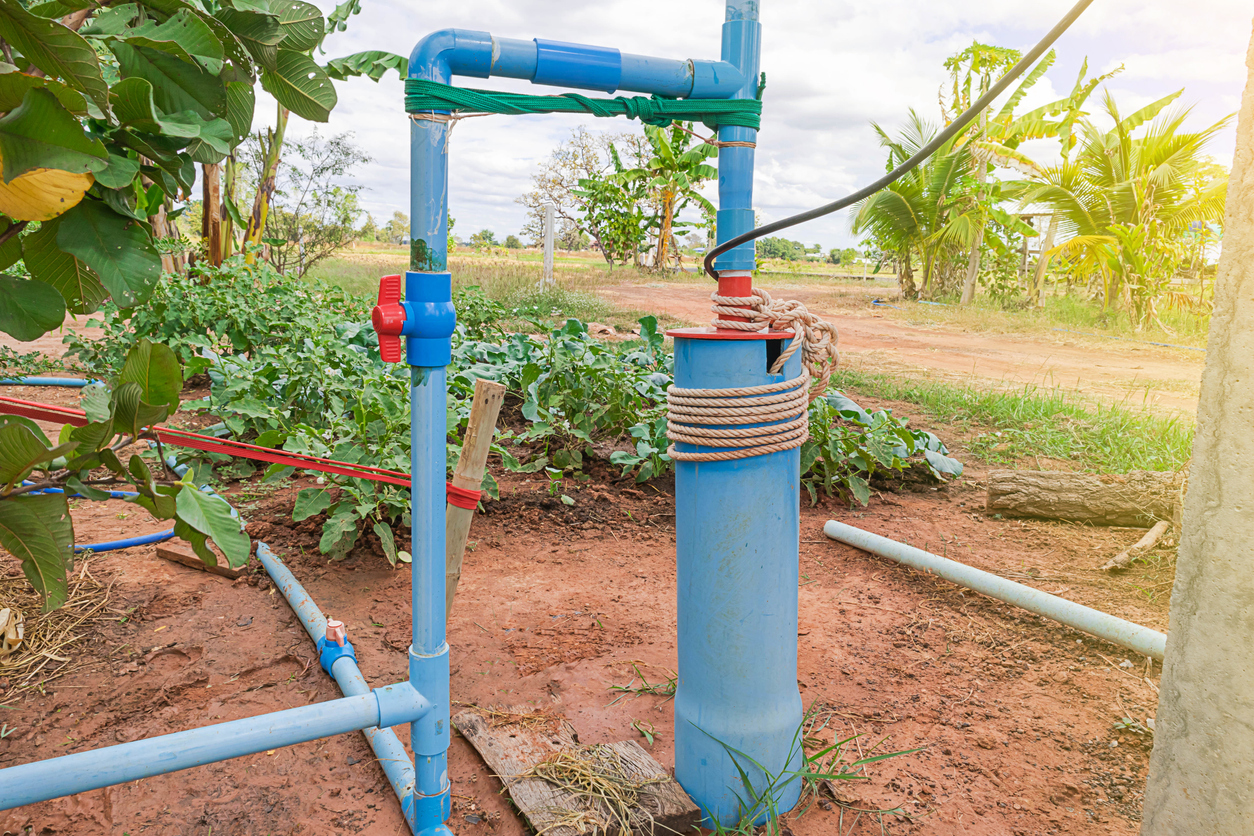
At a glance — 2026 price ranges
Borehole drilling only (per metre): ₦15,000 – ₦25,000
Complete borehole (drilling + casing + pump + tank stand): ₦800,000 – ₦3,500,000
Geophysical survey (before drilling): ₦50,000 – ₦150,000
Submersible pump (supply + installation): ₦180,000 – ₦600,000
Water treatment system: ₦150,000 – ₦500,000+
In most of urban Nigeria, a borehole is not a luxury — it is a necessity. Grid electricity interruptions from regional Discos are manageable. Intermittent water supply from the state authority is not functioning, borehole gives a household or commercial property reliable access to water regardless of what the water board is doing, and in a country where that board delivers water maybe two or three times a week in the best case, most property owners have made peace with the reality that a borehole is part of the cost of owning a building.
What catches most people off guard is how much a proper borehole actually costs when everything is included — not just the drilling, but the casing, the pump, the treatment system, the tank, and the electrical connection. This guide breaks it all down.
1. The real cost of a borehole — What Is actually involved
When a drilling company quotes you ₦600,000 for a borehole, they are almost certainly quoting for drilling and casing only. The full cost of a functional borehole water system includes several additional components that most first-time buyers do not budget for:| Scope / Project Type | Low | High | Notes |
|---|---|---|---|
| Geophysical survey (siting) | ₦50,000 | ₦150,000 | Strongly recommended before drilling to locate a water-bearing aquifera |
| Drilling (per metre depth) | ₦15,000/m | ₦25,000/m | Depth varies significantly by geological terrain. |
| PVC casing and screen | ₦120,000 | ₦350,000 | Depends on depth and casing diameter; thick-walled UPVc is mandatory. |
| Development and testing | ₦50,000 | ₦120,000 | Flush out debris and confirm aquifer yield before pump selection. |
| Submersible pump (supply + install) | ₦180,000 | ₦600,000 | HP of the pump, and quality brands - Grundfos, Pedrollo, specialized DC solar pumps. |
| Control panel + electrical connection | ₦80,000 | ₦200,000 | ATS, float switches, and surge protectors to guard against erratic power. |
| Water treatment system | ₦150,000 | ₦500,000+ | Micron Filtration, UV sterilization, or a specialized iron/salt remover |
| Overhead tank (1000L - 5,000L polyethylene) | ₦150,000 | ₦350,000 | Premium multi-layered polyethylene brands like Storex or Hart are recommended. |
| Tank stand (concrete or steel) | ₦120,000 | ₦400,000 | Structural integrity is key: height determines gravity water water pressure. |
| Surface seal and borehole cover | ₦30,000 | ₦80,000 | Concrete sanitary seal to prevent surface water and wastewater contamination. |
2. How deep will your borehole need to be?
Depth is the biggest variable in borehole cost. The water table depth varies significantly across Nigeria — and even within the same city. Furthermore, the type of drilling required depends heavily on your region. In sandy, sedimentary regions, cheaper manual drilling ( using local scaffolding and manual labor) might suffice for shallow depths. In hard, basement rock formations, heavy mechanical rotary rigs are mandatory.
Typical depths by location (approximate, 2026)
| Location | Est. depth/m | Note |
|---|---|---|
Lagos Island / Victoria Island | 30 – 60 | Easy to hit water, but shallow aquifers are often highly susceptible to |
Lagos Mainland (Surulere, Yaba, Mushin) | 50 - 90 | Generally stable sedimentary group; manual or light rig drilling is common |
Lekki / Ajah / Ibeju-Lekki | 40- 80 | Shallow to 150+ metres deep |
| FCT-Abuja - depends on geology | 60 - 150 | Hard basement rock formation requires a heavy mechanical rig with a specialized diamond or tungsten carbide common bit |
| Port Harcourt | 40 - 80 | High water table, often easier but iron contamination is incredibly common |
| Ibadan, Oyo | 60 - 120 | The transition zone between the sedimentary earth and basement rock requires careful surveying. |
Jos, Kaduna, Enugu - basement rock | 80 - 250 | Basement locations |
3. Why the geophysical survey Is not optional
Many property owners skip the geophysical survey to save money. This is classic false economy. A geophysical survey — which uses electrical resistivity or seismic methods to map underground water-bearing layers — tells you where to drill and how deep to expect water. Without it, a drilling company is guessing. In basement rock areas like Abuja and Jos, drilling in the wrong spot can produce a dry borehole after spending millions on drilling. The survey costs ₦50,000 to ₦150,000 and can save you from a completely wasted borehole.4. The 2026 reality - solar-powered boreholes
With Band A electricity tariffs remaining high and petrol/diesel costs making generators expensive to run, solar-powered boreholes have transitioned from a luxury to a mainstream financial hack in 2026.By replacing a standard AC submersible pump with a DC Solar Pump (such as Lorentz or high-quality Indian/Italian alternatives), the system pumps water automatically throughout the day whenever the sun is out, filling your overhead tanks for free.
• Upfront cost increase - Incorporating a solar system adds roughly ₦250,000 to ₦600,000 to your budget for solar panels, a structural roof/ground mount, and a solar controller.
• Long-term savings - It eliminates the electrical burden on your prepaid meter or generator, paying for itself within 12 to 18 months.
5. Pump quality - where people lose the most money
The pump is the heart of the borehole system. A cheap, unbranded submersible pump will fail within one to two years in Nigerian conditions — and replacing a pump means pulling it out of a 60-metre borehole, which is a high additional cost. Invest in a quality brand: Grundfos, Pedrollo, Grundfos SP series, or Lorentz for solar-powered applications. The additional cost upfront is far less than the cost of repeated pump replacements.6. Red flags when hiring a drilling company
• No geophysical survey recommendation — A company that wants to drill without professional siting is gambling with your money.• Vague” lump-sum” pricing — always demand a written contract stating the exact per metre rate for drilling, alongside a clearly estimated total depth range
• Unbranded pump supply — If the contractor can not tell you the exact brand, and warranty of the pump before signing, reject it.
• No water quality test after drilling — your borehole water must be tested for bacteria, iron content, and other parameters before you use it for drinking or cooking.
• No development or yield test — the borehole must be developed (pumped to clear debris) and tested for yield before the pump is installed permanently.
7. Frequently Asked Questions
How much does a borehole cost in Nigeria in 2026?
A complete, functional borehole water system in Nigeria — including drilling, casing, pump, treatment, tank, and electrical connection — typically costs between ₦800,000 and ₦3,500,000 depending on depth, location, and equipment quality. Drilling-only quotes of ₦400,000 to ₦600,000 cover only part of the total cost. Always budget for the complete system, not just the hole.
How deep does a borehole need to be in Lagos?
In most sedimentary areas of Lagos ( mainland and part of the island ), water tables sit between 30 and 90 metres. However, along coastal zones like Lekki and Ajah, you may need to drill down to 150+ Metres to bypass contamination surface water taps into the clean third aquifer.
Is borehole water in Nigeria safe to drink?
Not without testing and treatment. Borehole water quality varies significantly by location. High iron content, bacterial contamination, and elevated nitrates are common findings in Nigerian boreholes, particularly in densely populated areas. Always test the water after drilling and install an appropriate treatment system — typically filtration, UV sterilization, and iron removal where needed. Untreated borehole water should not be consumed.
What is the difference between a borehole and a well?
A borehole is a narrow, drilled hole that reaches deep underground water-bearing rock or sand layers, typically 30 to 200 metres deep, fitted with a casing and a submersible pump. A hand-dug well is a wider shaft that accesses shallow groundwater, usually 10 to 30 metres, and can be contaminated by surface water. In urban Nigeria, boreholes are significantly more reliable and hygienic than hand-dug wells.
How long does a borehole last in Nigeria?
A professionally drilled and properly cased borehole can easily last 20 to 40 years with appropriate maintenance. The borehole itself rarely fails if the structural casing is solid. However, mechanical components like the submersible pump will generally require service and or replacement every 5-10 years depending on power stability and usage intensity.
Ready to start your project?
Post your project on Skillland and connect with trusted artisans and contractors in Nigeria.
Post a Project