Magazine
What really goes wrong with the plumbing?
Plumbing problems are among the most frequent maintenance issues in Nigerian homes and buildings. They affect water supply, sanitation, hygiene, and sometimes the structural health of a property. In many cases, the problem is not simply the plumbing fixture itself but the conditions under which plumbing systems are installed and used.
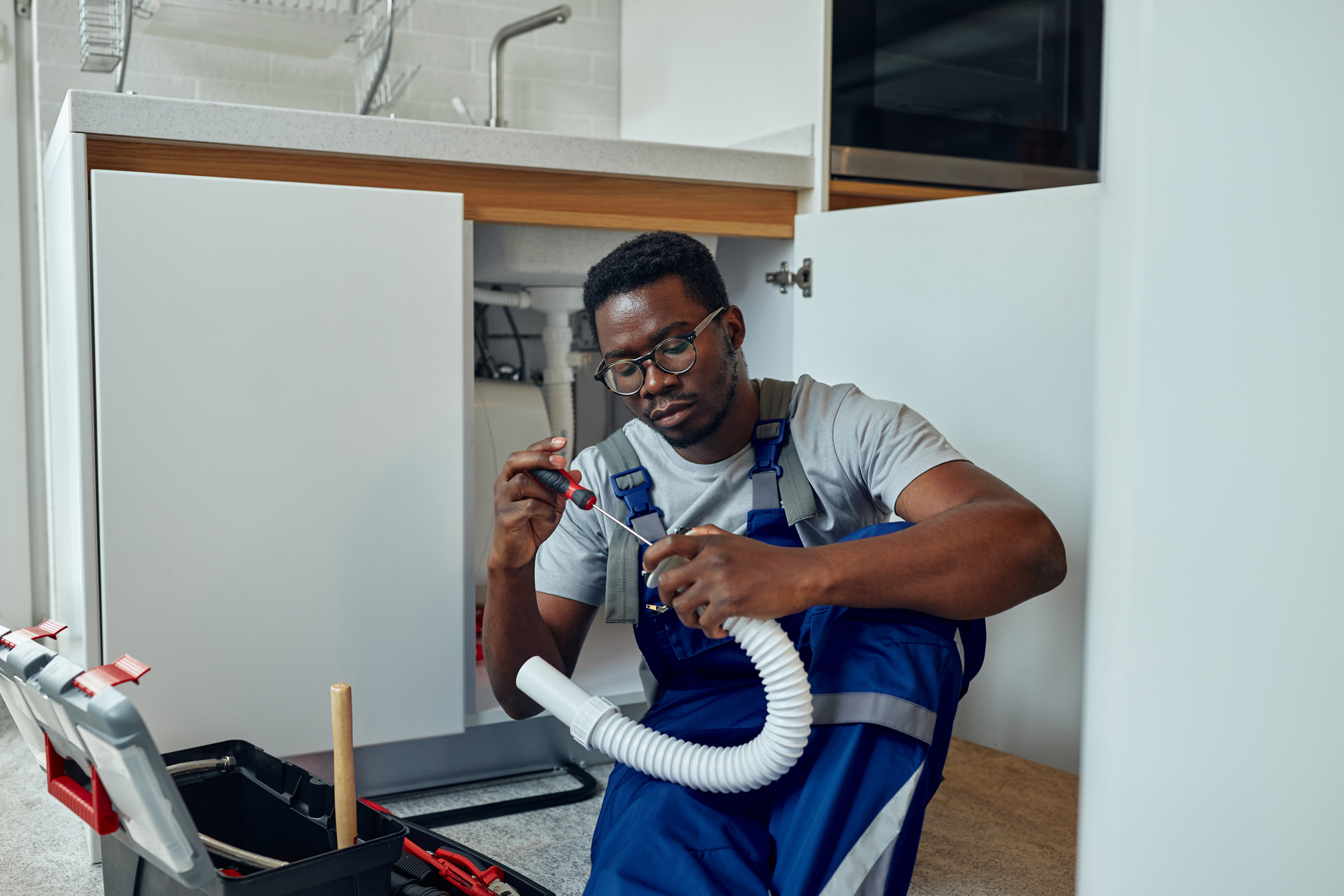
Several factors influence common plumbing problems in Nigeria. These include inconsistent municipal water supply, heavy dependence on boreholes, rapid urban construction, and the widespread use of septic systems instead of centralized sewage networks. When these factors combine with poor installation or lack of maintenance, plumbing failures become almost inevitable.
1. Common Nigerian homes plumbing problems
1.1 Blocked drains and toilets
One of the most frequently reported issues by plumbers is blocked drains. Drain blockages occur when materials that should never enter the drainage system accumulate inside pipes.
Typical causes include:
• Food particles washed down kitchen sinks
• Cooking oil and grease that harden inside pipes
• Sanitary products flushed into toilets
• Nylon bags and wipes
• Hair accumulation in bathroom drains
Grease and oil are particularly problematic. When hot grease enters a pipe, it flows easily, but as it cools, it solidifies and sticks to the pipe walls. Over time, other debris attaches to it, forming a stubborn blockage.
In older buildings where drainage pipes were installed decades ago, pipe diameters may be smaller than modern standards. This increases the likelihood of blockage.
Urban areas such as Lagos, Onitsha, and Ibadan frequently experience this problem because houses are densely built and drainage systems are heavily used.
Signs of blocked drains include slow drainage, foul smells, and water backing up from floor traps.
1.2 Leaking pipes and pipe joints
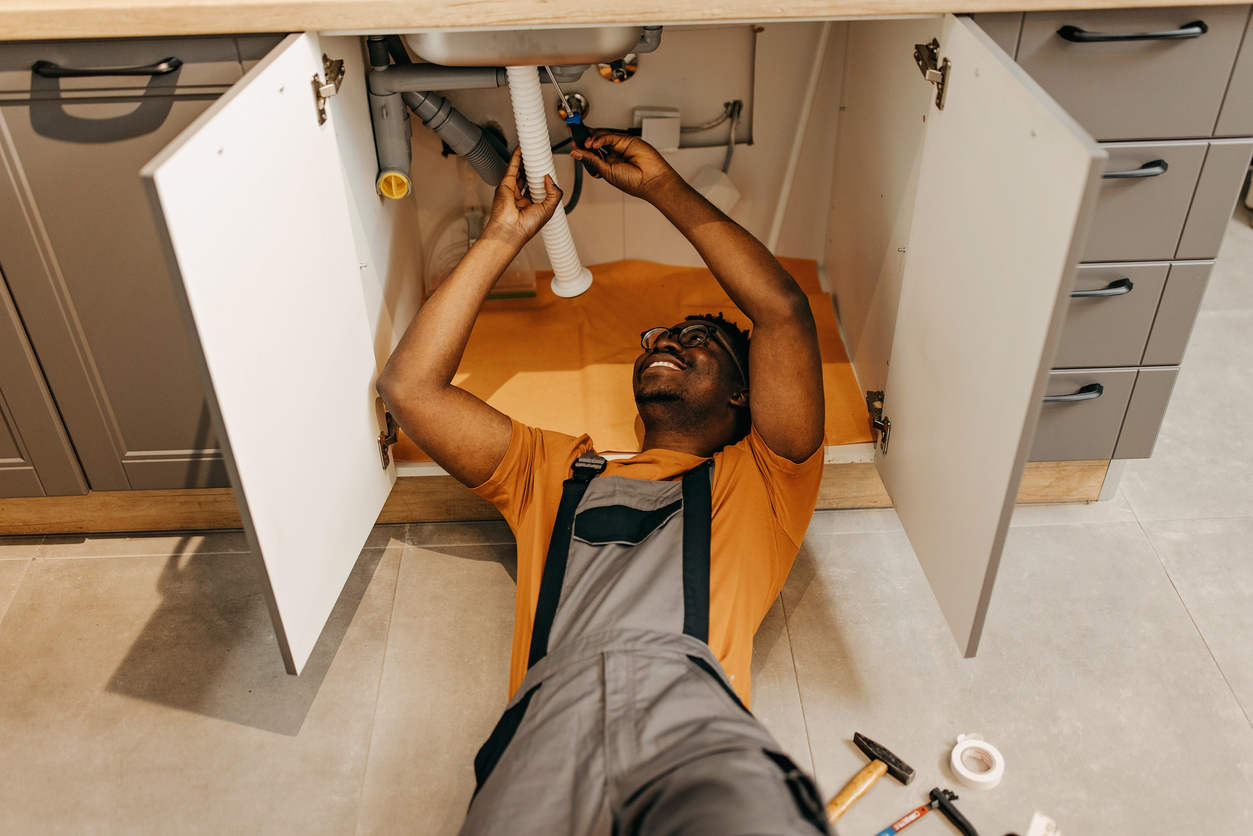
Another widespread issue is leaking pipes. Pipe leaks often begin as small drips but can escalate into serious structural damage.
Leaks commonly occur at joints where pipes connect. If fittings were poorly tightened during installation or if low quality materials were used, these joints gradually loosen over time.
Plastic pipes such as PVC and PPR are widely used in Nigerian buildings because they are affordable and resistant to rust. However, poor installation practices can still cause leakage. Excessive pressure from water pumps may also stress pipe connections.
In coastal cities like Lagos and Port Harcourt, metal components may corrode faster because of humidity and salt in the air.
Water leaks are dangerous because they often remain hidden behind walls. By the time the homeowner notices peeling paint or damp walls, the problem may have existed for months.
1.3 Low water pressure
Many households struggle with low water pressure in Nigeria, particularly in multi storey buildings. The most common reason is poor plumbing design.
Water pressure in gravity based systems depends on the height of the overhead tank. If the tank is installed too low relative to the plumbing outlets, water pressure becomes weak.
Other causes include:
• Sediment buildup inside pipes
• Undersized pipe diameters
• Long pipe runs with too many bends
• Weak borehole pumps
In cities like Abuja, where duplex homes rely on overhead storage tanks, improper tank placement frequently leads to weak pressure in bathrooms on upper floors.
Low water pressure may seem like a minor inconvenience, but it often signals deeper system inefficiencies.
1.4 Burst pipes
Burst pipes represent one of the most destructive plumbing failures. When a pipe bursts, water can flood a building within minutes.
This problem occurs for several reasons. Excessive water pressure from pumping systems is a common cause. In some buildings, pumps push water into pipes designed only for gravity flow.
Another cause is physical damage. During renovation or landscaping work, buried pipes may accidentally be struck by tools.
Plastic pipes exposed to direct sunlight for long periods may also weaken and eventually crack.
Burst pipes can damage walls, flooring, electrical installations, and furniture.
1.5 Septic tank overflow
Most Nigerian homes rely on septic systems rather than municipal sewage networks. Because of this, septic tank maintenance is critical.
Septic overflow occurs when tanks become full or when drainage pipes connecting to the tank become blocked.
Some homeowners delay septic evacuation for too long, especially in rental properties. As waste accumulates, pressure builds inside the system, eventually forcing wastewater back toward the house.
Heavy rainfall can also contribute to overflow. When groundwater levels rise, poorly sealed septic tanks may become flooded.
1.6 Corrosion and aging plumbing systems
In older Nigerian buildings, plumbing pipes may deteriorate
simply due to age.
Metal pipes are especially vulnerable to corrosion. Over time, rust can weaken pipe walls and restrict water flow. Corroded pipes may also contaminate water with rust particles.
Modern plumbing systems increasingly use plastic materials such as PVC and PPR pipes, which resist corrosion more effectively.
However, even plastic pipes must be installed correctly to prevent leaks and structural stress.
1.7 Poor plumbing installation
Perhaps the most important contributor to plumbing problems is poor plumbing installation in Nigerian houses.
In many construction projects, plumbing systems are installed without proper planning. Pipes may be placed with incorrect slopes, preventing wastewater from flowing smoothly. Ventilation pipes that allow gases to escape may be omitted.
When plumbing design is treated as an afterthought, problems begin appearing shortly after the building is occupied.
Professional planning during construction significantly reduces long term plumbing failures.
2. Regional plumbing differences in Nigerian plumbing problems
Plumbing realities in Nigeria are not uniform. Climate, water sources, infrastructure development, and building culture all influence how plumbing systems are designed and maintained across the country.
In coastal cities such as Lagos and Port Harcourt, plumbers frequently deal with high groundwater levels and heavy rainfall. This increases the risk of pipe corrosion, septic tank overflow, and blocked drainage systems during the rainy season. Many buildings rely on elevated water storage tanks because municipal supply can be inconsistent. As a result, pressure pumps, float valves, and overhead tank connections are common parts of residential plumbing systems.
In the federal capital, Abuja, the plumbing landscape is slightly different. Planned estates and newer developments tend to follow stricter building standards. Centralized water systems are more common in certain districts, meaning plumbers often work on pressure regulation, water heaters, and modern bathroom fittings rather than emergency pipe improvisation. However, rapid construction in expanding suburbs sometimes leads to poorly installed systems that require early repairs.
In northern cities such as Kano, water scarcity influences plumbing design. Boreholes and underground storage tanks are extremely important because municipal water supply can be limited. Plumbers in these regions often focus on borehole connections, pump maintenance, and water conservation systems. Pipes must also be protected from extreme heat, which can cause expansion and long-term wear.
Another difference lies in building age and infrastructure quality. Older neighborhoods across Nigeria tend to have outdated piping materials such as galvanized steel pipes, which corrode over time and reduce water pressure. Newer estates are more likely to use modern materials such as PVC and PPR pipes, which last longer and are easier to maintain.
3. Preventing plumbing problems
Most plumbing failures can be prevented through proper maintenance and responsible usage.
Homeowners should:
• Avoid flushing non-biodegradable materials
• Inspect pipes periodically for leaks
• Clean drainage traps regularly
• Evacuate septic tanks at recommended intervals
• Use experienced professionals for plumbing installation
4. Conclusion
Prevention is far less expensive than emergency repair but when plumbing systems fail, professional expertise becomes essential. A skilled plumber does more than fix a leak. They identify underlying causes and correct system design flaws.
Skillland help homeowners connect with such professionals who understand local building conditions and plumbing systems.
Sometimes the real solution to recurring plumbing issues is not another temporary repair, but the right expert who knows exactly where the problem begins.
Ready to start your project?
Post your project on Skillland and connect with trusted artisans and contractors in Nigeria.
Post a Project