Magazine
Biggest tiling problems in Nigeria
Walk into many Nigerian homes one year after completion and you will notice something strange. The tiles still look new from a distance. But when you walk across the floor, you hear hollow sounds.
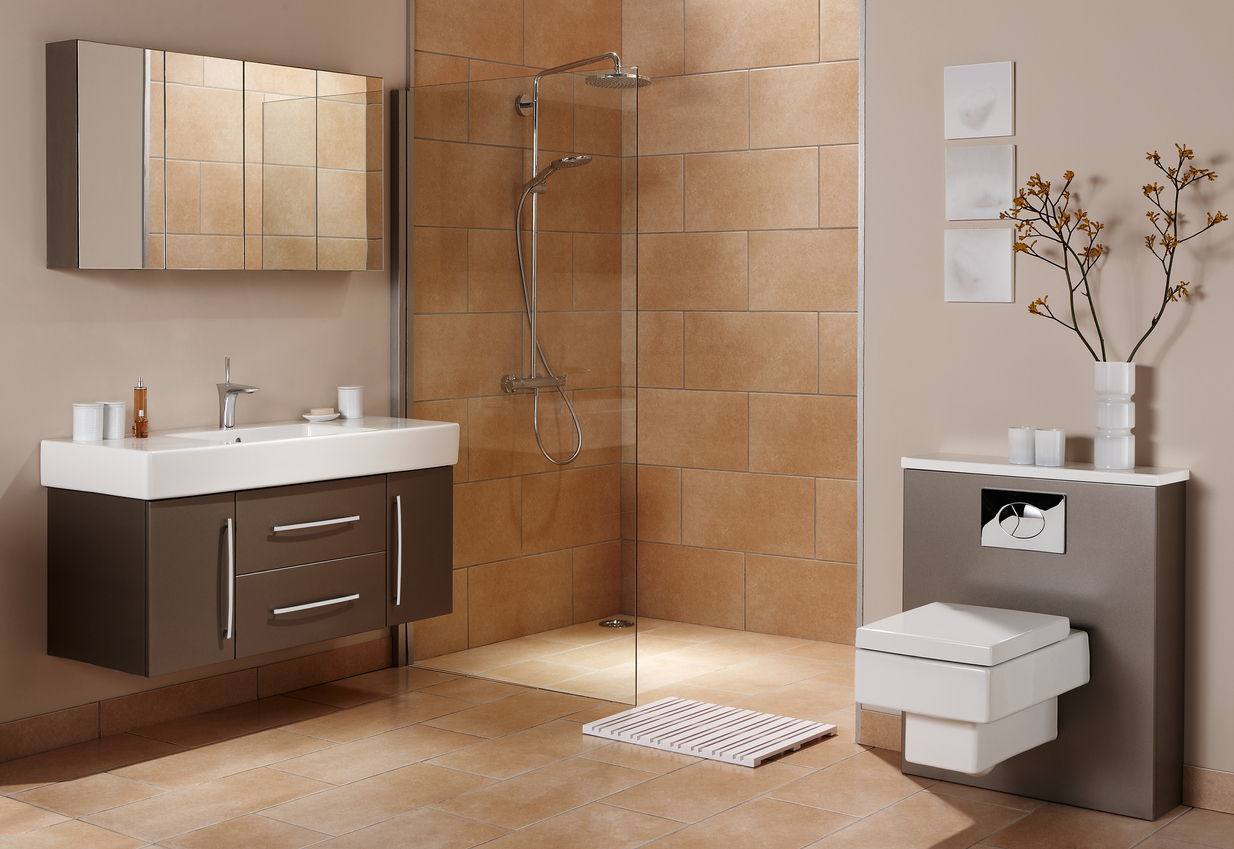
A tile edge feels sharp under your foot. Bathroom corners stay wet long after bathing. Somewhere, a tile suddenly cracks without warning.
These problems are extremely common.
The important truth is this:
Most tiling failures in Nigeria are not caused by bad tiles.
They are caused by installation mistakes, poor preparation, and rushed workmanship.
Examining these biggest tiling problems helps homeowners avoid repeating expensive mistakes that thousands of people already regret.
1. Why tiling problems are increasing
Modern buildings now use larger tiles, faster construction schedules, and different adhesives compared to older homes.
At the same time:
• Many installers still follow outdated methods
• Building timelines are rushed
• Supervision is limited
• Finishing stages receive less technical attention
The result is predictable.
Floors begin failing within months instead of lasting decades.
1.1 Tiles cracking after installation
This is one of the most searched tile issues online. Homeowners are often shocked because no heavy object fell on the floor. Cracking usually starts beneath the tile.
Common reasons include:
• Uneven concrete floor
• Weak screeding
• Insufficient adhesive coverage
• Structural movement of the building
When someone steps on the tile, pressure concentrates at weak points underneath. The tile cannot distribute weight properly and eventually breaks.
Large modern tiles are especially vulnerable because they require perfectly flat surfaces.
So ultimately, the tile did not fail, the foundation beneath it failed.
1.2 Hollow sounding tiles
Tap some floors lightly and you hear a drum-like sound. This is one of the clearest signs of poor installation.
Why It Happens
A hollow sound means air spaces exist beneath the tile.
This occurs when installers:
• Apply adhesive unevenly
• Rush installation
• Fail to press tiles firmly into adhesive
Over time, hollow tiles become dangerous. They crack easily and may detach completely. Many homeowners ignore this early warning until tiles start lifting.
1.3. Tiles popping or lifting after one year or less
Another extremely common complaint is lifting or popping tiles. Tiles suddenly rise or detach from the floor without warning.
What Causes It
Buildings expand and contract daily due to heat changes. Without expansion gaps, tiles push against each other until pressure forces them upward.
Common triggers include:
• No expansion joints
• Tight tile spacing
• Excessive heat exposure
• Poor adhesive flexibility
This problem appears frequently in hot regions where floors experience intense afternoon heat.
1.4 Uneven floors and sloping surfaces
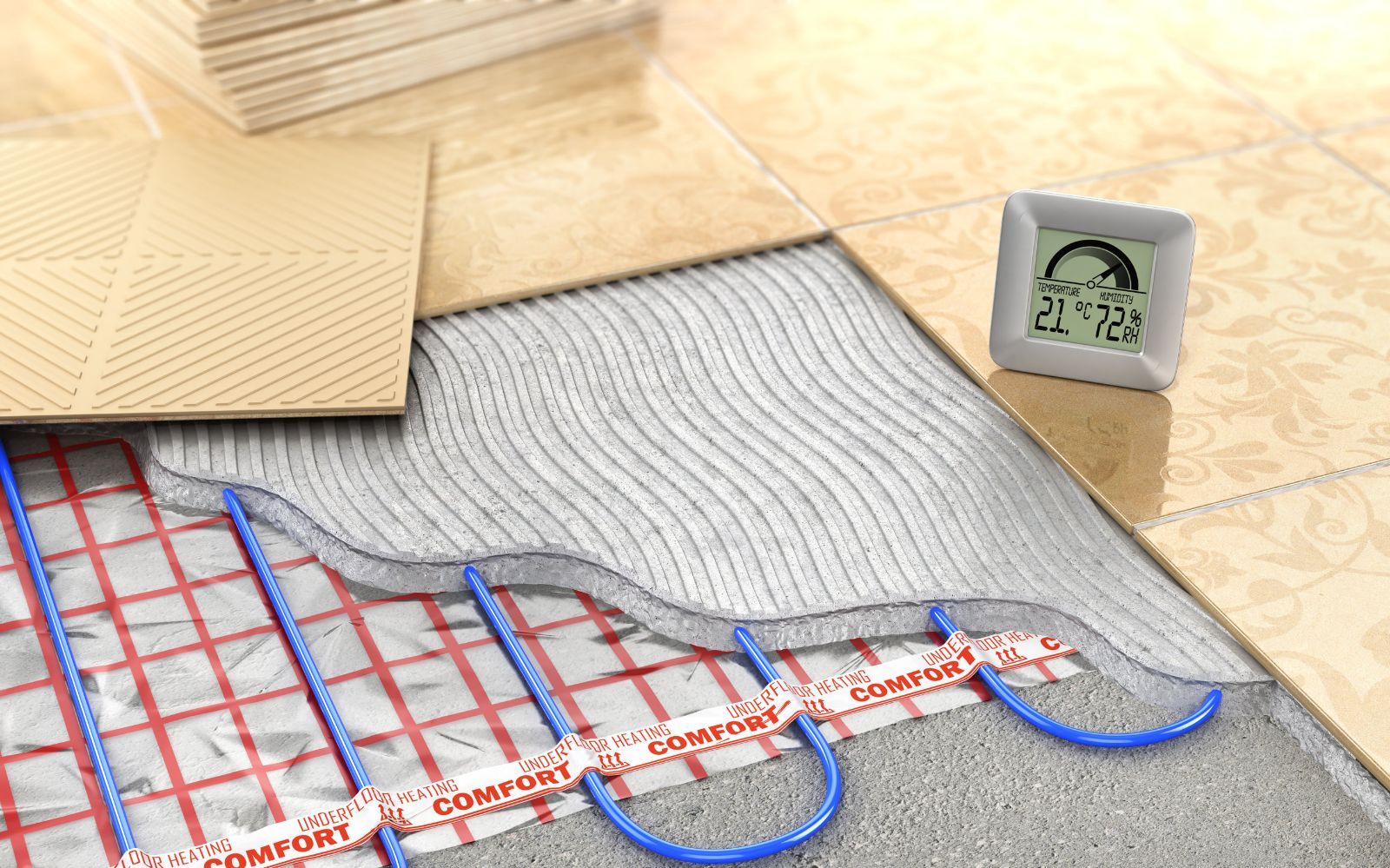
Many homes have visually beautiful tiles but uncomfortable floors.
The furniture rocks, water gathers in corners and walking feels slightly awkward.
This comes from poor floor leveling before installation.
Why It Happens
Concrete floors are rarely perfectly flat after construction.
If tilers skip leveling, tiles simply follow the uneven surface.
Consequences include:
• Poor drainage in bathrooms
• Trip hazards
• Premature tile cracking
• Visual distortion
Correct leveling is time consuming, so inexperienced installers often skip it.
1.5 Water entering bathrooms and wet areas
Water leakage from bathrooms into bedrooms or living spaces is one of the costliest tiling failures. Searches related to water entering bathrooms continue to increase.
Real Causes
Most leaks are not plumbing failures.
They result from:
• Poor waterproofing beneath tiles
• Wrong adhesive choice
• Incorrect floor slope toward drain
• Badly sealed corners
Bathrooms require waterproof membranes before tiling. Many buildings skip this step entirely.
Water slowly penetrates beneath tiles and spreads unseen until walls begin showing damage.
1.6 Wrong tile adhesive usage
Modern tiles require modern bonding materials. But many installers still rely heavily on traditional sand and cement mixtures.
The Problem
Different tiles need different adhesives.
Large porcelain tiles require flexible adhesive. Outdoor areas require weather resistant adhesive.
Using one adhesive type everywhere causes:
• Tile detachment
• Cracking
• Moisture penetration
Improper tile adhesive usage remains one of the most overlooked tiling problems in Nigeria.
1.7 Poor grout finishing
Grout is often treated as decoration instead of protection. However, bad grout work leads to:
- Dirty joints
- Water penetration
- Mold growth
- Tile edge damage
Common mistakes include:
• Excessive water during mixing
• Shallow grout filling
• Failure to clean residue immediately
Bathrooms suffer the most because moisture constantly attacks weak grout lines.
1.8 Tiles Staining or Losing Shine Quickly
Some floors begin looking old within months. This is rarely a manufacturing issue.
Typical causes include:
• Improper cleaning after installation
• Leftover cement haze on tile surface
• Use of harsh cleaning chemicals
• Wrong tile selection for space usage
For example, polished tiles installed in busy entrances wear faster because they were not designed for heavy traffic.
1.9 Tile edges breaking or chipping
Edge damage appears small but spreads quickly.
It often results from:
• Inadequate adhesive support beneath corners
• Poor spacing between tiles
• Heavy furniture pressure
When corners lack support, everyday walking pressure breaks the weakest parts first.
1.10 Tiles becoming loose over time
Loose tiles usually begin as minor movement.
You may notice:
• Slight shaking when stepped on
• Cracking sounds
• Grout lines opening
These signs indicate bond failure beneath the tile.
Common causes include:
• Dusty installation surface
• Moisture trapped under tiles
• Low quality bonding materials
• Rushing curing time
Once tiles become loose, full replacement is usually required.
1.11 Poor drainage planning in outdoor tiling
Outdoor tiling introduces additional challenges. Driveways, balconies and compound areas must handle rainwater properly.
Without correct slope:
• Water pools on tiles
• Algae growth begins
• Tiles become slippery
• Adhesive weakens faster
Outdoor installations demand drainage planning before tiling begins.
1.12 Hiring Based Only on Cheapest Labour
Perhaps the biggest hidden tiling problem is decision making. Many homeowners choose installers based solely on price.
Low labour cost often means:
• Skipped preparation
• Faster work pace
• Lack of professional tools
• Minimal supervision
Tiling looks simple but is technically demanding.
Poor workmanship explains most failures seen nationwide.
2. How location influences tiling problems
Environmental conditions quietly affect flooring performance.
Coastal Cities
High humidity requires strong waterproofing and quality grout.
Northern Regions
Heat expansion increases risk of tile lifting without expansion joints.
Dense Urban Apartments
Shared slabs transfer vibration between units, making adhesive quality more important.
These differences show why installation methods must adapt to environment rather than follow a single approach everywhere.
3. Early warning signs homeowners should never ignore
Watch for these signals:
• Hollow sounds
• Small cracks
• Persistent damp corners
• Grout discoloration
• Uneven walking surface
Addressing problems early prevents expensive reconstruction.
4. How to avoid tiling problems completely
Successful projects usually follow simple principles:
• Proper floor preparation
• Correct adhesive selection
• Professional installation
• Adequate curing time
• Experienced supervision
Skillland.ng makes life easier for homeowners across Nigeria to connect with verified tilers who follow professional installation standards rather than shortcut methods.
5. Final Thought
The bottom line is, tiles are meant to last very long. When installed correctly, they can last decades without attention.
Most failures people experience today are not unavoidable accidents. They are preventable mistakes repeated across projects every day.
A good tile floor should disappear into daily life quietly, doing its job without drama.
When it becomes noisy, cracked, or wet, it is almost always a sign that something important was ignored during installation.
Build carefully. Install professionally. Live comfortably.
Ready to start your project?
Post your project on Skillland and connect with trusted artisans and contractors in Nigeria.
Post a Project