Cost Guide
Cost of deep foundation in Nigeria 2026
Deep foundations carry loads past weak surface soil to a competent stratum. This guide explains how they are priced, what drives the cost, and how to check a quote with tabulated worked examples.
Average Cost of Deep Foundation, Labour + Materials
Estimated cost of Deep Foundation, including labour and materials.
Average Cost of Deep Foundation, Labour Only
Estimated labour cost of Deep Foundation, excluding materials.
Nigeria-wide figures use the local General / Nigeria record, or typical values from available state records. Final quotations depend on scope, specification and site condition.
Open full calculator1. Cost of deep foundation in Nigeria 2026
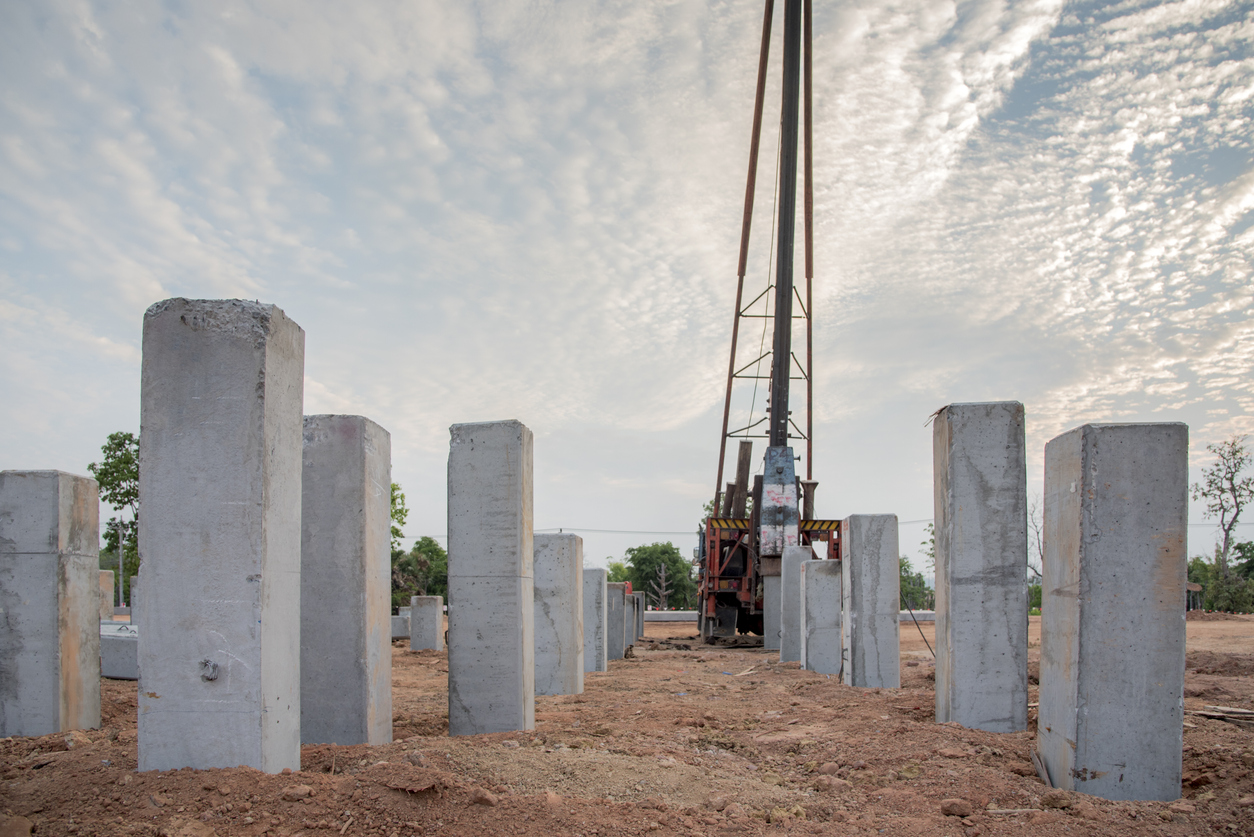
"Deep foundation" is an umbrella term for any foundation that carries load down through weak surface soil to a stratum that can support it. In Nigerian practice that usually means bored piles, driven piles, or caissons, and occasionally micropiles for restricted sites. The choice between them depends on ground conditions, loads, and site access, not on preference.
This guide explains what a deep foundation costs, how it is measured, and what to check in a quote. Because deep foundations are buried and hard to inspect later, the quality of the design and the testing regime matter as much as the price per metre.
2. How deep foundations are measured
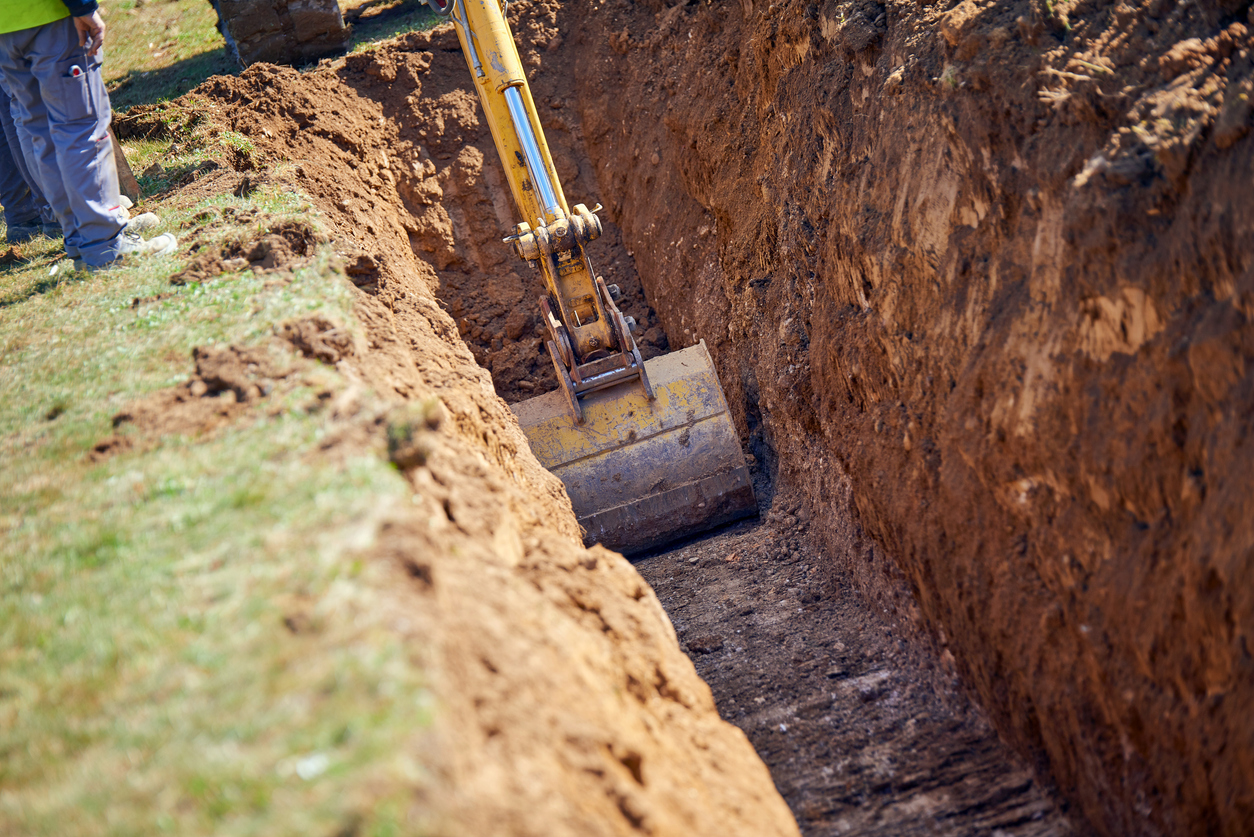
Deep foundations are measured by linear metre of element — the drilled or driven length of each pile or caisson — multiplied by the number of elements. A 20-pile layout at 15 m average depth is 300 linear metres. Where the element is a caisson or pier of large diameter, some contractors quote per element instead; insist that the quote states the depth so the two bases can be compared. Design, mobilisation, and testing are usually separate line items and should never be buried silently in the per-metre rate.
3. Quick answer - deep foundation prices in Nigeria 2026
| Pricing basis | Low | Average | High |
|---|---|---|---|
| Labour and materials, per linear metre | ₦100,000 | ₦180,000 | ₦300,000 |
| Labour only, per linear metre | ₦25,000 | ₦50,000 | ₦100,000 |
Total = per-metre rate × average depth × number of elements.
4. What low, average and high mean
Low is shallow deep-foundation work: 8–12 m elements, small diameter, firm ground, good access, and minimal casing.
Average is 12–18 m depth, 450–600 mm diameter, some casing, and a normal urban site with reasonable access.
High is 20 m+ depth, large diameter, water-bearing or boulder-strewn ground, restricted access, or a site needing extensive testing.
5. Factors that change the price of deep foundation
- Depth to competent stratum - The dominant driver. Every extra metre adds drilling time, concrete, and reinforcement.
- Element type - Bored piles, driven piles, caissons, and micropiles have different rigs and rates. The right type is a design decision.
- Diameter and reinforcement - Concrete volume rises with the square of diameter; reinforcement follows the design loads.
- Ground conditions - Running sand, high water table, and boulders slow work, require casing, and raise risk.
- Site access and headroom - A rig that cannot reach the position changes the method and the price.
- Testing regime - Integrity tests, static load tests, and cross-hole tests are usually separate costs and should be specified.
6. Cost breakdown - what you are paying for
- Design and investigation (3–8%). Pile design, soil investigation review, and setting out.
- Mobilisation (5–12%). Rig movement to and from site.
- Drilling or driving (25–35%). The dominant labour cost.
- Casing and temporary works (8–18%).
- Reinforcement (12–18%).
- Concrete (15–22%).
- Testing and supervision (4–10%).
7. What a deep foundation quote should include
- Element type, diameter, depth, and count
- Design basis and the engineer responsible
- Casing depth and type
- Concrete grade and placement method
- Reinforcement details
- Testing regime and who pays
- Mobilisation and access assumptions
- How depth variations from design are priced
8. What can go wrong with deep foundations
- Inadequate investigation - A design based on assumed depth is a gamble. Actual ground can force deeper elements and a much higher cost.
- Defective concrete placement - Tremie concrete placed badly leaves voids and weak zones that are invisible from above.
- Casing pulled too early - The hole collapses before concrete sets, creating a necked or incomplete pile.
- No testing - Buried defects surface later as settlement and cracking, when remediation is far more expensive.
- Depth disputes - Without a written basis for depth variation, a contractor can claim extra for every metre beyond the design.
9. Red flags to watch for
- No soil investigation referenced - Deep foundation design without investigation is guesswork.
- Per-metre rate with no stated depth or diameter - Not a comparable price.
- No testing allowance - A buried foundation with no verification is a risk you carry.
- Vague depth-variation clause - Agree how extra depth is priced before work starts.
- No engineer named - Deep foundation design should sit with a qualified engineer.
10. Questions to ask a deep foundation contractor
- What element type, diameter, and depth are you pricing, and who designed it?
- Is casing included, and to what depth?
- What testing will you do, and is it in this price?
- How will you price depth variation from the design?
- Can you show a completed deep foundation with test records?
11. How to compare two deep foundation quotes
Compare on five items: element type and diameter, design depth, casing depth, concrete placement method, and testing. Two quotes can look similar per metre while one assumes a shallow design depth and no testing. Always ask for the depth basis and the testing allowance in writing before deciding. If you are choosing between deep and shallow options, compare before you build on the same loads and ground profile.
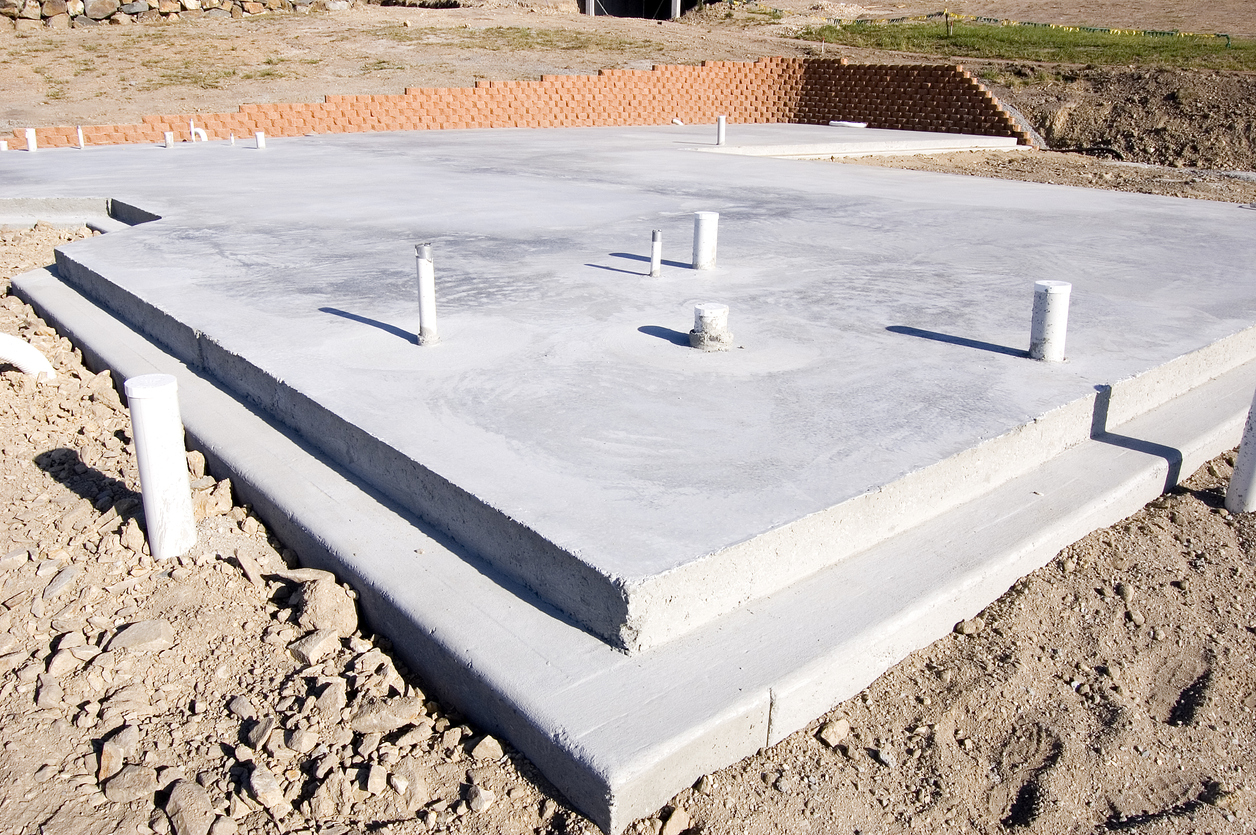
12. Deep foundation compared with shallow foundations
| Option | Cost basis | Best for | Trade-off |
|---|---|---|---|
| Deep foundation (piles, caissons) | Per linear metre | Weak deep soil, heavy loads | Higher cost, needs investigation |
| Raft foundation | Per m² | Moderate loads, poor shallow soil | Large concrete volume |
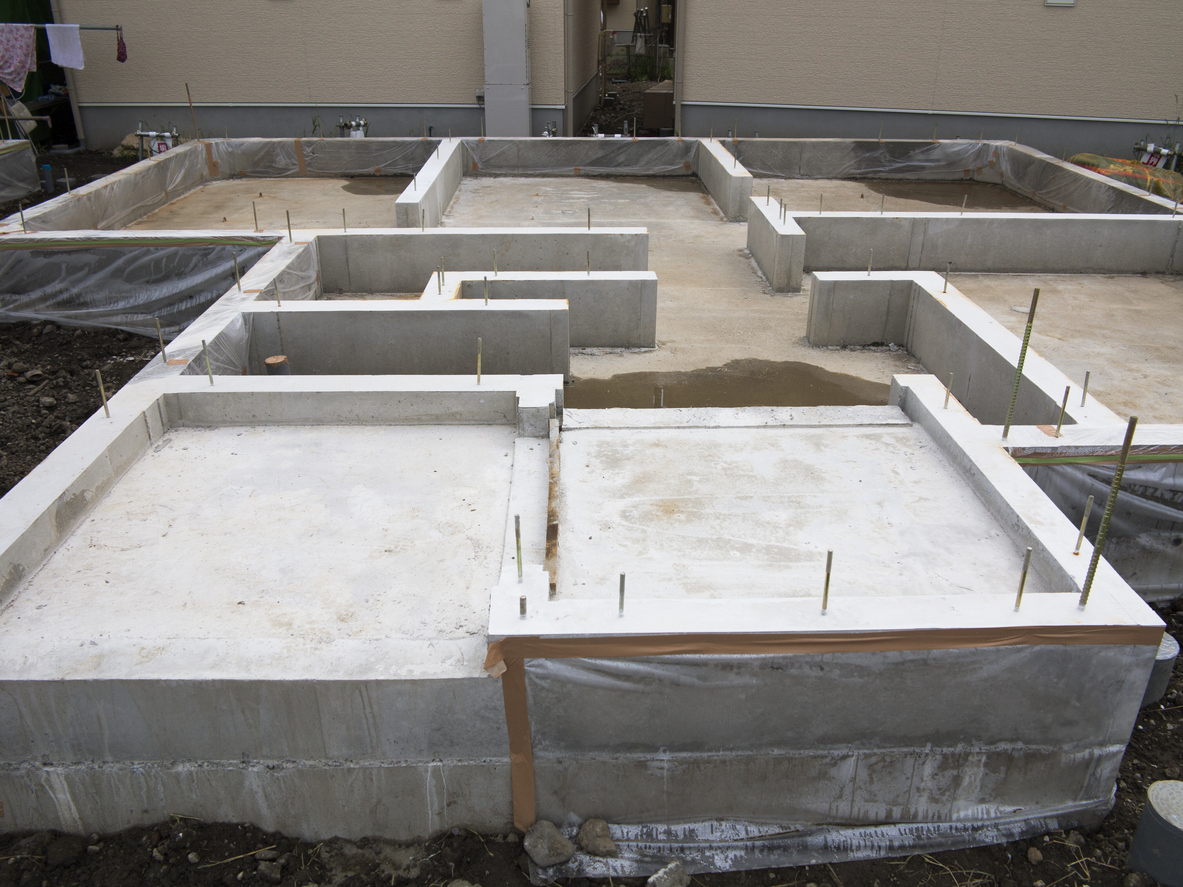
| Strip foundation | Per linear metre | Light structures, good soil | Unsuitable for weak ground |
| Pad foundation | Per pad | Framed structures on good soil | Limited load capacity |
13. Common mistakes
Choosing deep foundations without investigation - The depth and type are guesses without it.
Comparing per-metre rates without comparing depth - They are not the same product.
Skipping testing - Defects in buried work are expensive to discover late.
Ignoring site access - A rig that cannot reach the position changes the method.
Planning example
A four-storey building with a design of 15 piles at 14 m average depth gives 210 linear metres. Multiply by your per-metre rate, add casing for the top 6 m of each pile (90 m), add reinforcement and concrete at 210 m each, then add design, mobilisation, and testing. Use the materials estimator to check concrete volume for the diameter chosen, and agree the depth-variation rate in writing before the rig arrives.
14. FAQs
What is the difference between a deep foundation and a pile foundation?
A pile foundation is one type of deep foundation. Deep foundation is the broader category and includes caissons and piers.
When is a deep foundation necessary?
When competent soil is too deep for a shallow foundation, or when loads are too heavy for raft or strip foundations to carry safely.
How deep do deep foundations go in Nigeria?
Commonly 10–25 m depending on location and ground. In parts of Lagos and Port Harcourt, competent strata can be 20 m or more below ground.
Is a deep foundation always more expensive?
Usually more expensive than a shallow foundation on good soil, but on very poor ground a deep foundation can be cheaper overall than an oversized raft.
Do deep foundations need testing?
Yes. Integrity testing on all elements plus a static load test on a representative element is standard practice.
How long does a deep foundation take?
Typically 2–4 weeks for a residential building, depending on the number of elements, depth, and ground.
Related Skillland services and guides
Ready to price your deep foundation? Post your project with your soil report and pile design, and compare contractors who can show tested work.
Deep Foundation costs by state and the FCT
Choose a state or the FCT to view the local deep foundation page, pricing and project guidance.
South West
North Central
South South
South East
North West
North East
Ready to start your project?
Post your project on Skillland and connect with trusted artisans and contractors in Nigeria.
Post a Project