Cost Guide
Cost of foundation piling in Nigeria 2026
Foundation piling is the deep-foundation option that carries building loads down to a stable stratum. This guide explains how it is priced, what affects the rate, and how to check a quote with tabulated worked examples.
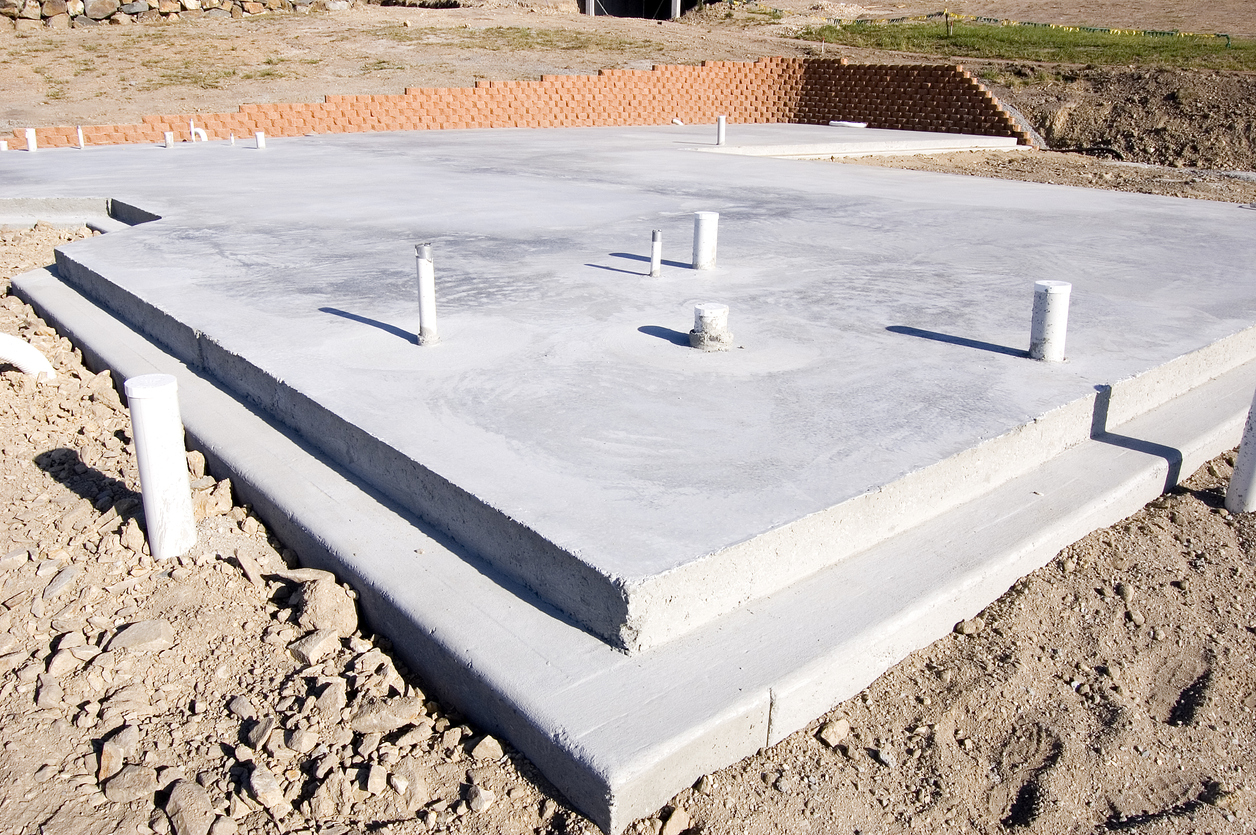
Average Cost of Foundation Piling, Labour + Materials
Estimated cost of Foundation Piling, including labour and materials.
Average Cost of Foundation Piling, Labour Only
Estimated labour cost of Foundation Piling, excluding materials.
Nigeria-wide figures use the local General / Nigeria record, or typical values from available state records. Final quotations depend on scope, specification and site condition.
Open full calculator1. Cost of foundation piling in Nigeria 2026
Foundation piling is what you do when the ground near the surface cannot carry the building. Instead of spreading the load across a wide raft or strip, you carry it down through the weak soil to a stratum that can take it. That is a more controlled, more testable solution than a shallow foundation on poor ground, but it costs more and it depends on information you only get from a soil investigation.
This guide explains what foundation piling costs in Nigeria, what drives the number, and how to compare quotes without being misled by a low per-metre rate. If you are deciding between deep and shallow options, it pays to compare before you build with real numbers rather than assumptions.
2. Quick answer - foundation piling prices in Nigeria 2026
| Pricing basis | Low | Average | High |
|---|---|---|---|
| Labour and materials, per linear metre | ₦60,000 | ₦110,000 | ₦180,000 |
| Labour only, per linear metre | ₦15,000 | ₦30,000 | ₦60,000 |
Total = per-metre rate × average depth × number of piles.
3. What low, average and high mean
Low is a short pile (8–10 m) in competent ground with good access, small diameter, and minimal casing. Suitable for light structures on marginal soil.
Average is 12–18 m depth, 450–600 mm diameter, moderate casing, and a normal urban site.
High is deep (20 m+), large diameter, difficult ground, or restricted access. Also includes cases where piles must be installed near existing structures with vibration limits.
4. Factors that change the price of foundation piling
- Design load. Heavier buildings need more piles, larger diameters, or deeper penetration. The engineer's design sets the quantity.
- Soil profile. The depth to a competent stratum is the single biggest variable. Weak, deep deposits push cost up sharply.
- Pile cap and ground beam work. Foundation piling is rarely just piles. Pile caps, ground beams, and tying the piles into the superstructure are separate costs that are often left out of a per-metre quote.
- Water table. A high water table requires casing and tremie concrete, both of which add cost.
- Testing. Integrity and load tests confirm the foundation works. They are usually separate line items.
- Access and headroom. A low-headroom rig for a site with overhead obstructions costs more per metre.
5. Cost breakdown - what you are paying for
- Piling (drilling, casing, reinforcement, concrete) - 55–70%. The core per-metre work.
- Pile caps and ground beams - 15–25%. The concrete and steel that tie piles together and carry the columns.
- Testing - 3–8%. Integrity and load tests.
- Mobilisation - 5–10%. Rig movement.
- Engineering and supervision - 3–7%. Design review, setting out, records.
6. What a foundation piling quote should include
- Pile layout, diameter, depth, and count
- Pile caps and ground beams, priced separately or explicitly included
- Concrete grades and reinforcement
- Casing and method statement
- Testing regime
- Mobilisation and demobilisation
- Assumptions about ground conditions and how changes are priced
7. Red flags to watch for
- Per-metre rate that excludes pile caps and ground beams. The piles alone do not make a foundation.
- No soil investigation referenced. A foundation pile design without investigation is guesswork.
- No testing. Buried work needs verification.
- Vague depth assumptions. Ask for the design depth and what happens if actual depth differs.
- Pressure to start before design is signed off. Sequence matters.
8. Questions to ask a foundation piling contractor
- What is the design pile layout and depth, and who designed it?
- Are pile caps and ground beams in this price?
- What testing will you do, and is it included?
- How will you handle a depth variation from the design?
- Can you show a completed foundation with test records?
9. Foundation piling compared with shallow foundations
| Option | Cost basis | Best for | Trade-off |
|---|---|---|---|
| Foundation piling | Per linear metre plus caps | Weak deep soil, heavy loads | Higher cost, needs investigation |
| Raft foundation | Per m² | Moderate loads, poor shallow soil | Large concrete volume, settlement risk |
| Strip foundation | Per linear metre | Light structures, good soil | Unsuitable for weak ground |
| Pad foundation | Per pad | Framed structures on good soil | Limited load capacity |
10. Common mistakes
- Budgeting piles only - Pile caps and ground beams are part of the foundation cost.
- Ignoring the engineer - Pile design is not a contractor's call.
- Skipping integrity testing - A sound-looking pile can be defective.
- Comparing per-metre rates without comparing depth and diameter - They are not the same product.
Worked examples - tabulated
Example 1 - 16 piles at 14 m average (224 linear metres)
| Item | Calculation | Amount |
|---|---|---|
| Piling, 500 mm diameter | 224 m × ₦60,000/m | ₦13,440,000 |
| Casing, top 6 m per pile | 16 × 6 m × ₦28,000/m | ₦448,000 |
| Pile caps (16) | 16 × ₦16,000/cap | ₦256,000 |
| Ground beams | 120 m × ₦14000/m | ₦1,680,000 |
| Integrity testing | 16 × ₦450.000/test | ₦450,000 |
| Mobilisation | Lump sum | ₦550,000 |
| Total (labour and materials) | ₦16,274,000 | |
| Labour only | 224 m × ₦30,000/m | ₦6,720,000 |
Planning example
A four-storey development with a design of 24 piles at 12 m average depth gives 288 linear metres. Multiply by your per-metre rate, add casing for the top 5 m of each pile (120 m), add 24 pile caps and 160 m of ground beams, then add testing and mobilisation. Run the concrete and steel volumes through the materials estimator before you compare quotes, because the per-metre rate alone will understate your foundation cost by a wide margin.
10. FAQs
Is foundation piling the same as bored piling?
Bored piling is one method of installing foundation piles. Foundation piling is the purpose; bored piling is the technique. See the bored piling guide.
How many piles does a building need?
The structural engineer calculates this from the loads and the soil capacity. There is no rule of thumb that substitutes for design.
Can foundation piling be done after the building is designed?
It should be designed alongside the structure. Retro-fitting piles is possible but expensive.
What is a pile cap?
A thick concrete block that ties a group of piles together and transfers the column load into them.
Do I need a load test on every pile?
Not usually. Integrity testing on all piles plus a static load test on a representative pile is common.
How long does foundation piling take?
Typically 1–3 weeks for a residential foundation, depending on pile count, depth, and ground conditions.
Related Skillland services and guides
- Post a project
- Get a quote
- Top-rated skillmen
- Compare before you build
- Materials estimator
- Locations
- Magazine
- Track request
- Trust and safety
Ready to price your foundation? Post your project with your soil report and pile design, and compare contractors who can show tested work.
Foundation Piling costs by state and the FCT
Choose a state or the FCT to view the local foundation piling page, pricing and project guidance.
South West
North Central
South South
South East
North West
North East
Ready to start your project?
Post your project on Skillland and connect with trusted artisans and contractors in Nigeria.
Post a Project