Cost Guide
Cost of sheet piling in Nigeria 2026
Sheet piling holds back ground during excavation. This guide explains how it is priced by wall area, what drives the rate, and how to check quotes with tabulated worked examples.
Average Cost of Sheet Piling, Labour + Materials
Estimated cost of Sheet Piling, including labour and materials.
Average Cost of Sheet Piling, Labour Only
Estimated labour cost of Sheet Piling, excluding materials.
Nigeria-wide figures use the local General / Nigeria record, or typical values from available state records. Final quotations depend on scope, specification and site condition.
Open full calculator1. Cost of sheet piling in Nigeria 2026
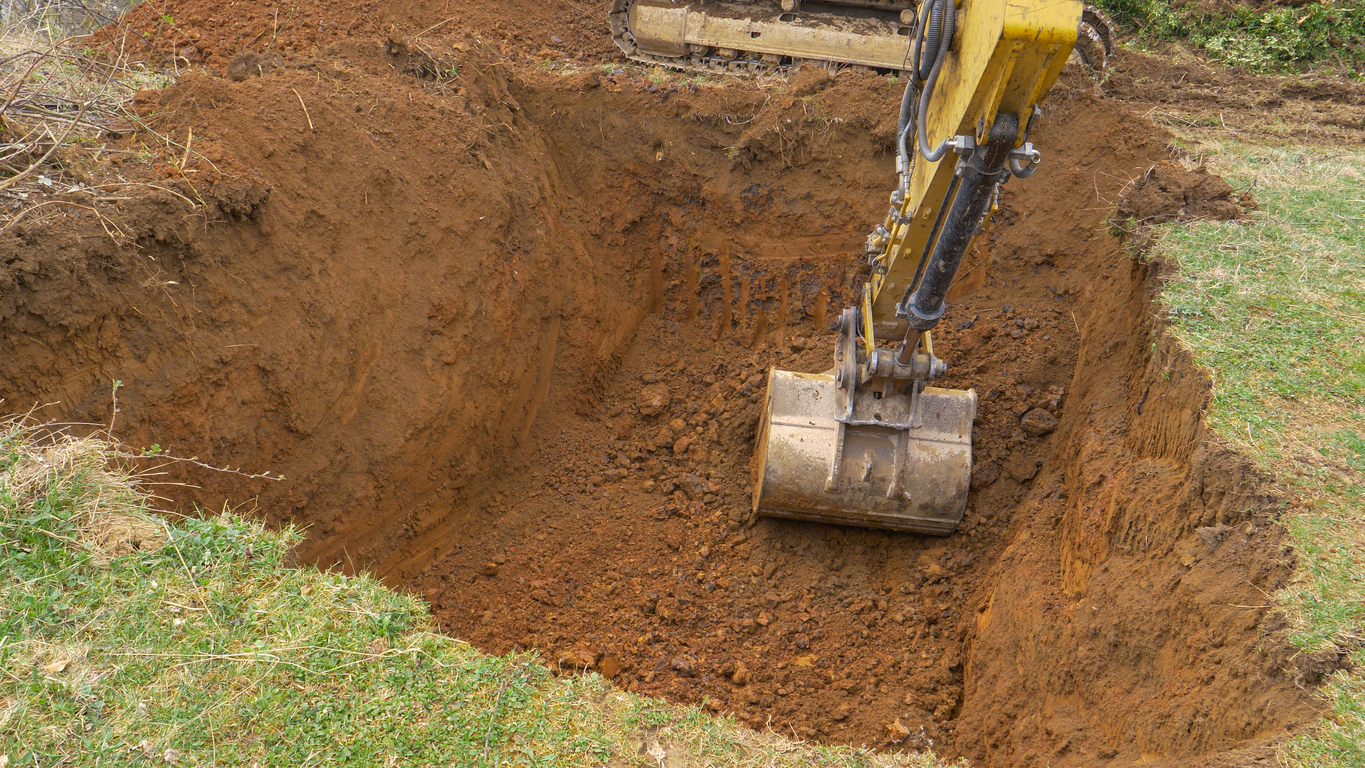
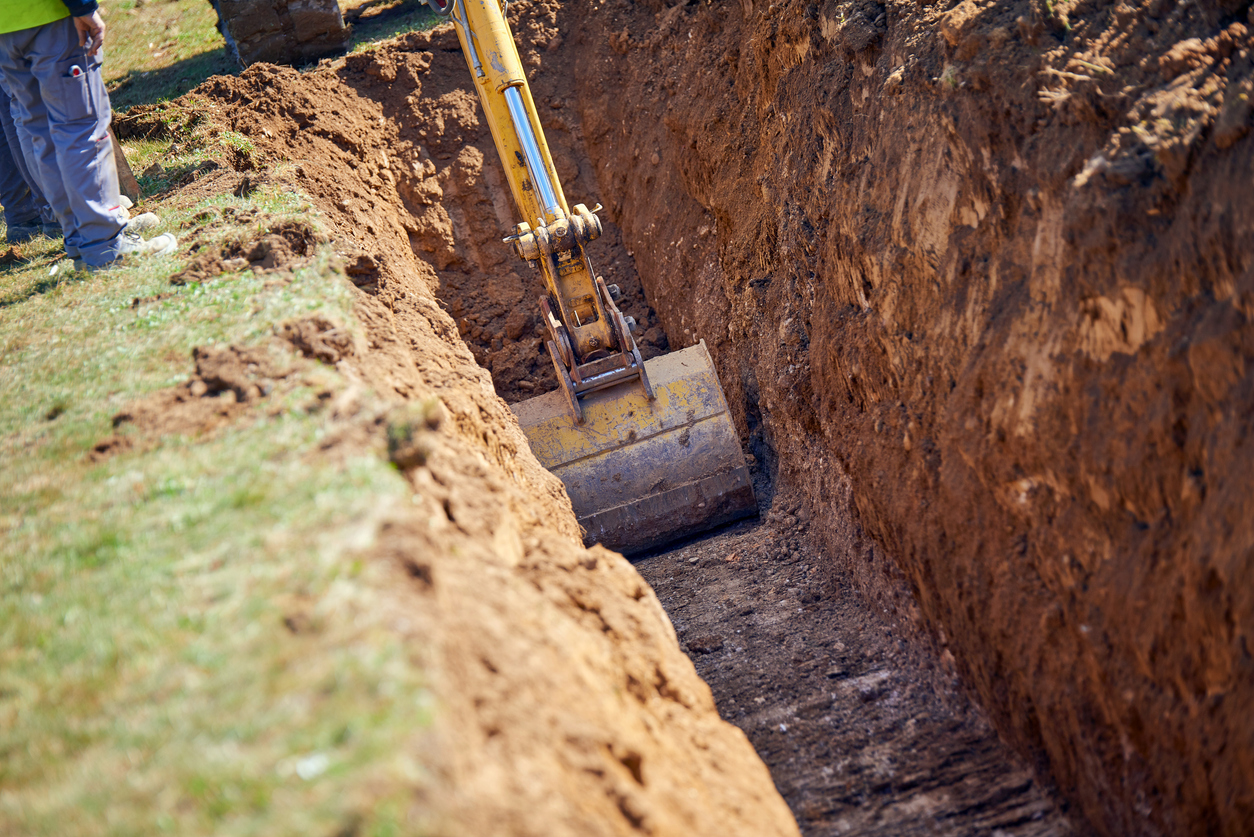
Sheet piling is a retaining system, not a foundation. Interlocking steel sheets are driven into the ground to hold back soil and water while an excavation is open. It is used for basements, deep drainage trenches, cofferdams, and any excavation where the sides will not stand safely on their own. In Nigerian cities where sites are tight and adjacent structures are close, sheet piling is often the difference between a safe excavation and a collapse.
This guide explains what sheet piling costs, how it is measured, and what to check in a quote. If your excavation is near existing buildings, it is worth reading the trust and safety guidance before work starts, because vibration and ground movement are the main risks.
2. Quick answer - sheet piling prices in Nigeria 2026
| Pricing basis | Low | Average | High |
|---|---|---|---|
| Labour and materials, per m² of wall area | ₦XYZ | ₦XYZ | ₦XYZ |
| Labour only, per m² | ₦XYZ | ₦XYZ | ₦XYZ |
Wall area = wall length × retained depth. A 40 m wall at 6 m depth is 240 m².
3. What low, average and high mean
Low is shallow retention (3–4 m), firm ground, standard sheet sections, and good access for the driving rig.
Average is 5–7 m depth, moderate ground, some propping, and a normal urban site.
High is deep retention (8 m+), soft or water-bearing ground, heavy sections, propping or anchoring, and restricted access.
4. Factors that change the price of sheet piling
- Retained depth. Cost scales with depth, and deeper walls need heavier sections and more support.
- Ground conditions. Soft, water-bearing ground needs longer sheets and more careful driving.
- Sheet section and grade. Heavier sections and higher steel grades cost more.
- Propping and anchoring. Deep walls need internal props or ground anchors, which are separate costs.
- Driveability. Boulders or dense layers slow driving and can damage sheet interlock.
- Vibration sensitivity. Near old or sensitive structures, vibration limits may require alternative methods.
- Extraction or leave-in-place. Some sheets are extracted for reuse; others stay in the ground. Extraction adds cost.
5. Cost breakdown - what you are paying for
- Sheet supply or hire (25–35%).
- Driving (25–35%). Rig time and crew.
- Propping and anchoring (15–25%). Often the largest hidden cost.
- Extraction (5–10%) where applicable.
- Mobilisation, supervision, and monitoring (5–10%).
6. What a sheet piling quote should include
- Wall length and retained depth
- Sheet section, grade, and length
- Driving method and rig
- Propping or anchoring design, priced separately or included
- Vibration monitoring if required
- Extraction or leave-in-place decision
- Mobilisation and access assumptions
7. Red flags to watch for
No propping or anchoring allowance. Deep walls need support. A quote without it is incomplete.
Retained depth not stated. Depth is the cost driver.
No consideration of adjacent structures. Vibration and ground movement can damage neighbours.
Sheet section unspecified. Cheap sheets may not be strong enough.
No monitoring plan. Movement monitoring protects you and your neighbours.
8. Questions to ask a sheet piling contractor
What retained depth are you pricing?
What sheet section and grade are you using?
Is propping or anchoring included?
How will you monitor vibration and ground movement?
Are sheets extracted or left in place?
9. Sheet piling compared with other retention methods
| Option | Cost basis | Best for | Trade-off |
|---|---|---|---|
| Sheet piling | Per m² of wall | Deep excavations, water retention | Vibration, cost of propping |
| Soldier piles and lagging | Per m² of wall | Dry, stable ground | Not watertight |
| Secant piles | Per m² of wall | Watertight, stiff retention | Higher cost, slower |
| Bench or batter | Per m³ excavated | Open sites with space | Needs room, not for tight sites |
10. Common mistakes
Pricing sheet piling without a propping design. Deep walls need support, and the support is a major cost.
Ignoring neighbours. Vibration and movement can cause damage and disputes.
Using sheets that are too light. Under-designed sheets deflect and can fail.
Forgetting extraction. If sheets are hired, extraction and return are part of the cost.
Planning example
A basement excavation with a 60 m perimeter at 6 m retained depth gives 360 m² of wall. Multiply by your per-m² rate for supply and driving, add one level of propping along the 60 m length, add extraction if the sheets are hired, and add monitoring. Use the materials estimator to check sheet quantities and propping steel before you compare quotes, because propping is the line most often left out of a cheap sheet piling price.
11. FAQs
Is sheet piling a foundation?
No. It is a temporary or permanent retaining system for excavations. Load-bearing foundations are piles, rafts, or strips.
Can sheet piles be left in the ground permanently?
Yes, but they must be designed for permanent exposure and corrosion. Leave-in-place is common for basements and waterfront works.
How deep can sheet piles go?
Typically 6–12 m with standard rigs, and deeper with specialist equipment. Depth depends on ground and section.
Do sheet piles stop water?
Interlocking sheets can be fairly watertight, but not perfectly. Pumping and sealing are usually still needed.
How is sheet piling measured for payment?
Usually per m² of retained wall area, with propping and extraction as separate line items.
What is the main risk with sheet piling?
Ground movement and vibration affecting adjacent structures. Monitoring and a proper propping design manage this.
Related Skillland services and guides
Ready to price sheet piling? Post your project with your excavation dimensions and neighbour conditions, and compare contractors who can show monitoring records.
Sheet Piling costs by state and the FCT
Choose a state or the FCT to view the local sheet piling page, pricing and project guidance.
South West
North Central
South South
South East
North West
North East
Ready to start your project?
Post your project on Skillland and connect with trusted artisans and contractors in Nigeria.
Post a Project