Cost Guide
Cost of biodigester in Nigeria 2026
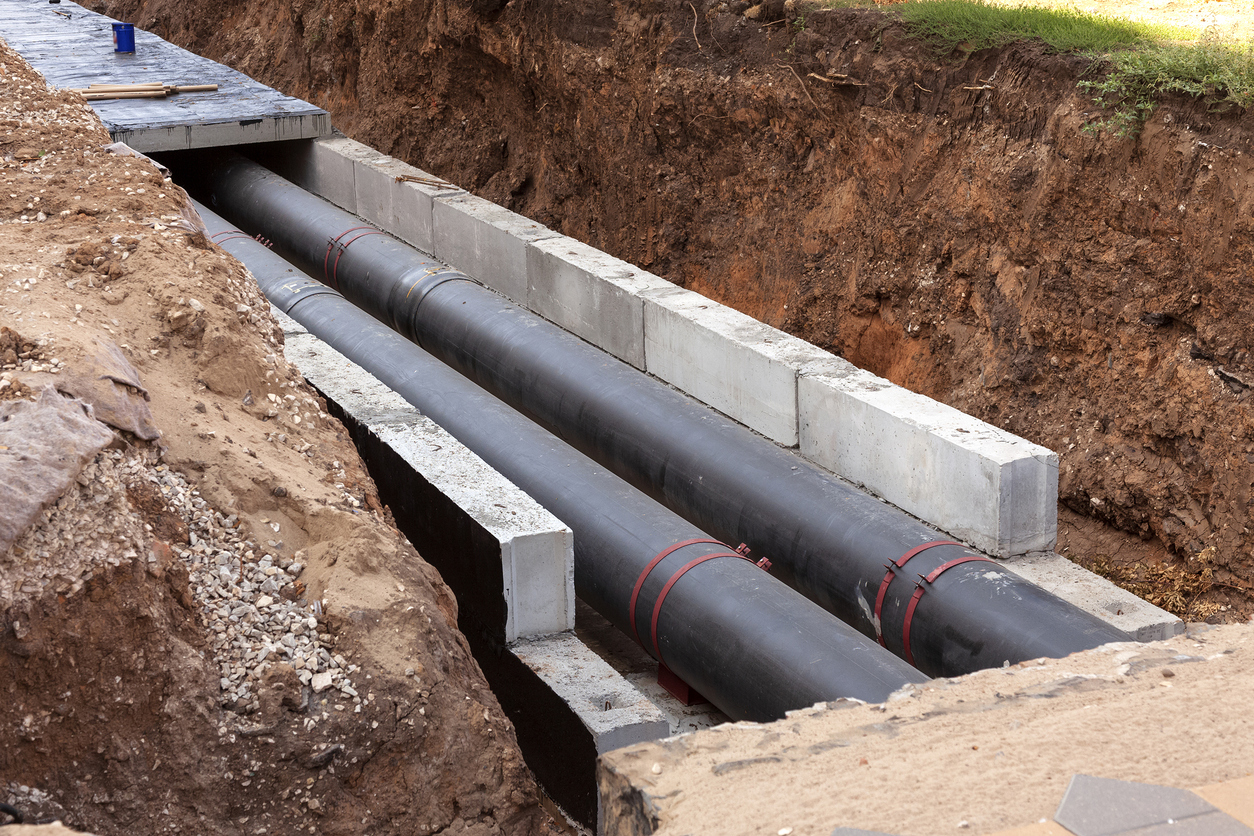
A biodigester treats household waste and produces biogas. This guide covers what a biodigester costs, what installation and construction add, how maintenance is priced, and how to check a quote with worked examples.
Average Cost of Biodigester Installation, Labour + Materials
Estimated cost of Biodigester Installation, including labour and materials.
Average Cost of Biodigester Installation, Labour Only
Estimated labour cost of Biodigester Installation, excluding materials.
Nigeria-wide figures use the local General / Nigeria record, or typical values from available state records. Final quotations depend on scope, specification and site condition.
Open full calculator1. Cost of biodigester in Nigeria 2026
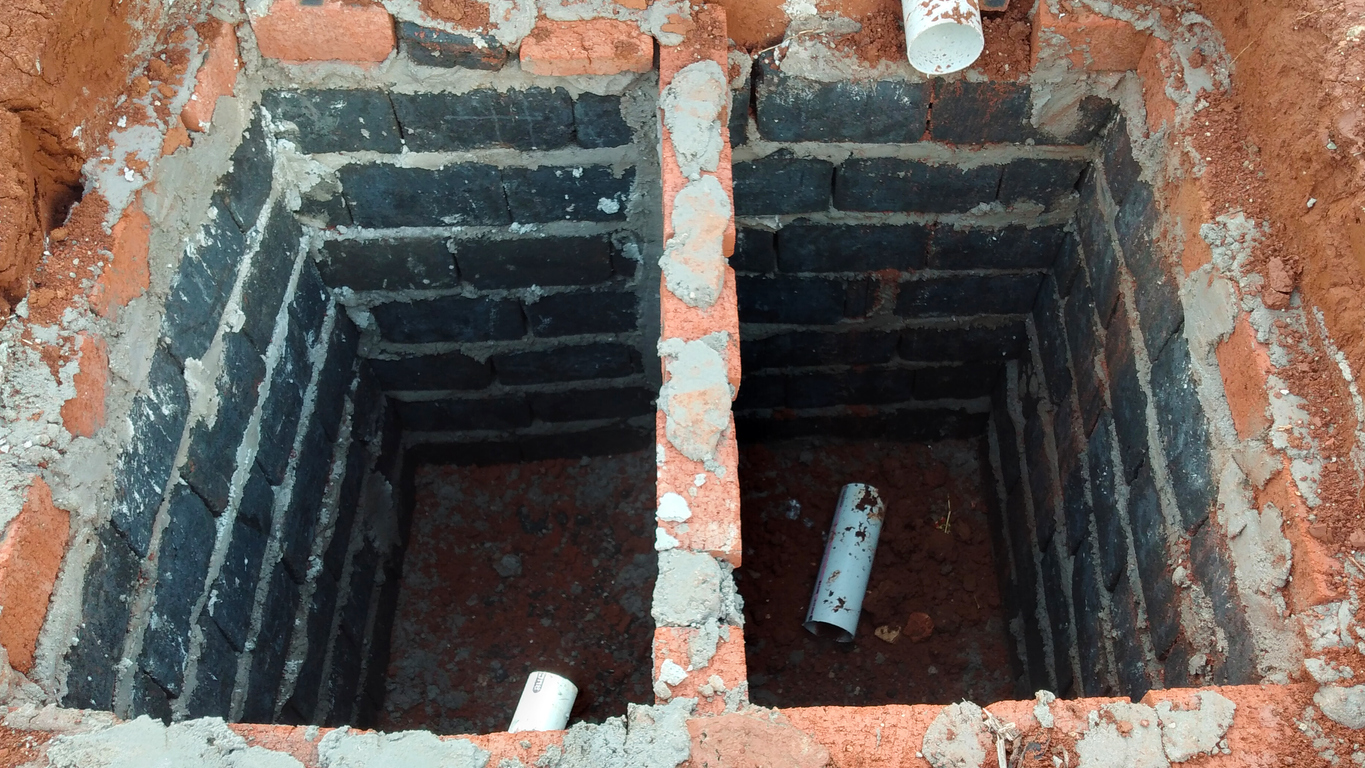
A biodigester is a sealed chamber that treats organic waste — household sewage and kitchen waste — through anaerobic digestion, producing biogas for cooking and a treated effluent for discharge. In Nigeria, biodigesters are increasingly chosen as an alternative to septic tanks where soakaways are difficult, space is tight, or the household wants to recover cooking gas.
The cost has three parts that are often quoted separately and sometimes confused: the unit itself, the installation (excavation, base, piping, commissioning), and for larger or custom systems, the construction of a built-in-place chamber. Maintenance is a smaller recurring cost. This guide covers all four in one place so you can budget the whole system rather than one component.
2. How a biodigester is sized and measured
Sizing depends on daily waste volume and the retention time needed for digestion, which is driven by the number of users. A household of six needs a smaller unit than a compound of eighteen. Prefabricated units are priced per unit; built-in-place digesters are priced per m³ of digester volume; installation is priced per installation, with gas piping per metre. Always ask for the sizing calculation in writing — a unit that is undersized fills quickly, smells, and produces little gas.
3. Quick answer - biodigester prices in Nigeria 2026
| Pricing basis | Low | Average | High |
|---|---|---|---|
| Labour and materials, per unit (prefabricated, household) | ₦400,000 | ₦600,000 | ₦800,000 |
| Labour and materials, per m³ (built in place) | ₦400,000 | ₦600,000 | ₦800,000 |
| Labour and materials, per installation | ₦400,000 | ₦600,000 | ₦800,000 |
| Labour only, per installation | ₦150,000 | ₦250,000 | ₦400,000 |
| Gas piping, per metre | ₦10,000 | ₦12,000 | ₦15,000 |
| Maintenance, per service visit | ₦25,000 | ₦40,000 | ₦50,000 |
Total installed cost = unit or construction + installation + gas piping and appliances + commissioning.
4. What low, average and high mean
Low is a small prefabricated unit for a single household on firm ground with a short gas run, or a small masonry digester of 4–6 m³.
Average is a mid-size household unit for six to ten users, including excavation, base, installation, and gas piping to one kitchen, or a 6–12 m³ built-in-place concrete digester with a proper gas dome.
High is a large unit for a school, hotel, or multi-household compound, a high water table requiring dewatering and waterproofing, difficult access, or extensive gas piping and multiple appliances.
4.1 Biodigester maintenance costs
Maintenance is a recurring cost, not a one-off, and it typically covers inspection, checking for gas leaks, desludging at intervals of a few years, and replacement of worn fittings. Desludging is the largest maintenance item and usually the only one that needs specialist equipment. A unit designed with proper inspection and desludging access is easier and cheaper to service, which is why access should be planned in from the start rather than added later. Budget for maintenance as an annual allowance rather than treating it as an emergency cost, and confirm the desludging interval and cost with the contractor who installs the unit.
5. Biodigester unit costs
The unit is the sealed chamber itself. Prefabricated units are faster to install and come in standard sizes. Built-in-place units are constructed on site from concrete or masonry and are better suited to larger volumes or unusual footprints. The unit cost depends mainly on volume, material, and whether gas storage is integrated or separate.
6. Biodigester installation costs
Installation is where much of the labour and a significant share of the budget sit. It covers excavation, base slab and surround, placing and connecting the unit, inlet and outlet connections, gas piping, stove connection, commissioning, and reinstatement of the surrounding area. Two households buying the same unit can pay very different installation costs depending on ground conditions, access, and pipe run length. Ask for excavation, piping, and commissioning as separate line items so quotes are comparable.
7. Biodigester construction costs (built in place)
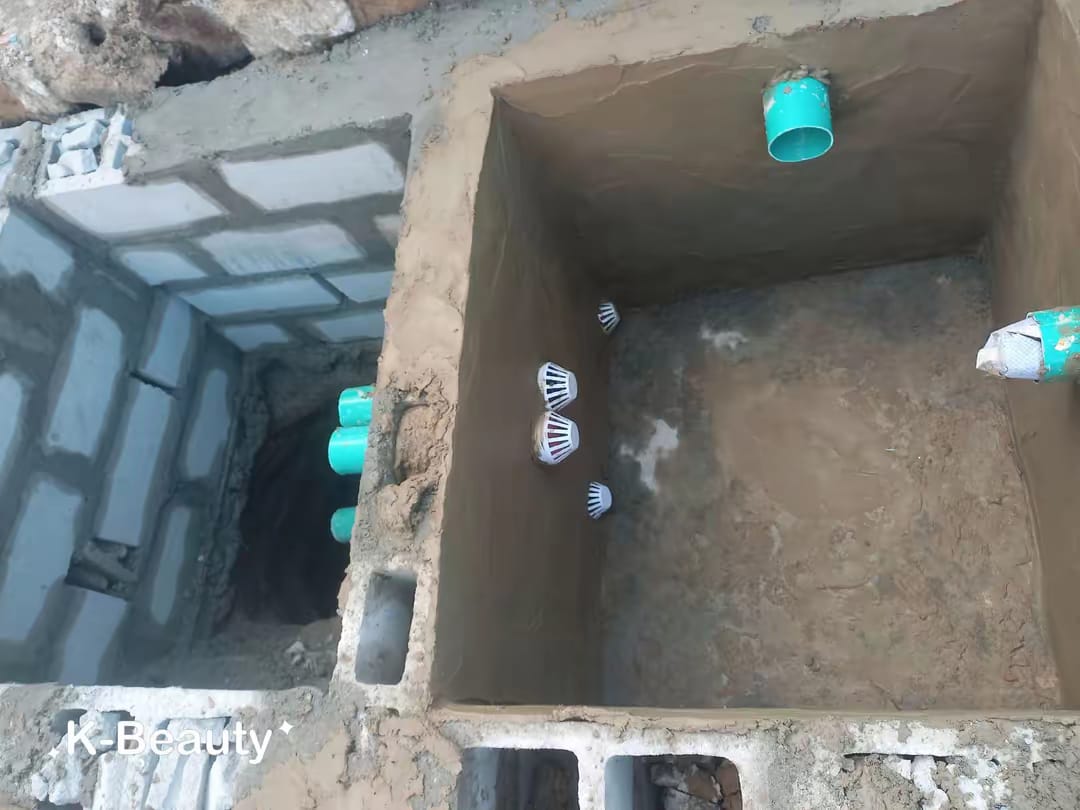
A built-in-place digester is a small civil structure: a sealed chamber, an inlet, an outlet, and a gas dome, all of which must be airtight and correctly sloped. Construction is priced per m³ of digester volume, with the chamber walls, base, gas dome, inlet, and outlet quoted separately or as an inclusive rate. Confirm whether the per-m³ rate includes the gas dome and the inlet and outlet, because these are often quoted separately and can significantly change the total.
8. Biodigester maintenance costs
Maintenance is a recurring cost, not a one-off. It typically covers inspection, checking for gas leaks, desludging at intervals of a few years, and replacement of worn fittings. Desludging is the largest maintenance item. A unit with proper inspection and desludging access is easier and cheaper to service, which is why access should be designed in from the start.
9. Factors that change the price of a biodigester
- Household or user count - Sizing drives the unit volume, the civil works, and the gas output.
- Unit type - Prefabricated is faster; built in place can be cheaper for larger sizes but slower.
- Ground conditions - A high water table, rock, or unstable soil adds excavation, dewatering, and base cost.
- Gas piping and appliances - Long runs or multiple kitchens add cost per metre.
- Access - A unit carried by hand onto a tight site costs more to install.
- Maintenance access - Inspection and desludging access affects both construction cost and lifetime maintenance.
10. Cost breakdown - what you are paying for
- Digester unit or construction materials (35–45%).
- Excavation and base (15–20%).
- Installation, surround, and connections (15–20%).
- Gas piping and appliances (10–15%).
- Commissioning and briefing (5–10%).
- Ongoing maintenance (recurring).
11. What a biodigester quote should include
- Unit size and the sizing calculation (users, waste volume)
- Whether the unit is prefabricated or built in place
- Excavation, base, and surround
- Inlet, outlet, and discharge arrangement
- Gas piping, stove connection, and any appliances
- Inspection and desludging access
- Commissioning and user briefing
- Maintenance schedule and desludging interval
12. What can go wrong with a biodigester
- Undersizing - A unit too small for the household fills quickly, smells, and produces little gas.
- Poor sealing - Leaks let air in, stop anaerobic digestion, and cause odour.
- No base slab - The unit settles or cracks under load.
- Gas leaks - Poor pipe joints are a safety hazard and waste the gas.
- No maintenance access - A unit that cannot be inspected or desludged becomes a problem later.
13. Red flags to watch for
- No sizing calculation - "Household size" without a number is not a specification.
- A single "installation" price with no breakdown - You cannot tell what is included.
- No gas piping allowance - A digester without gas use is a septic tank with extra cost.
- No commissioning - Starting the unit correctly is part of the job.
- No maintenance plan - Desludging and inspection are part of ownership.
14. Questions to ask a biodigester contractor
- What size unit are you proposing, and how did you calculate it for my household?
- Is the unit prefabricated or built in place?
- What excavation, base, and surround are included?
- How many metres of gas piping are included, and where does the route run?
- Will you commission it and brief the household?
- How often will it need desludging, and what does that cost?
15. How to compare two biodigester quotes
Compare on unit size and sizing basis, prefabricated versus built in place, excavation and base, pipe run length, commissioning, and maintenance access. A cheaper unit that is undersized or has no gas connection is not a like-for-like comparison. Ask both contractors for the sizing calculation and the pipe run length in writing. If you are comparing a biodigester against a septic tank and soakaway, compare before you build on total installed cost rather than unit price alone.
16. Biodigester compared with septic tank and soakaway
| Option | Cost basis | Best for | Trade-off |
|---|---|---|---|
| Biodigester | Per unit plus installation | Households wanting gas and low odour | Higher upfront cost, needs gas use |
| Septic tank and soakaway | Per tank plus soakaway | Standard household sewage | Odour, soakaway needs space |
| Package treatment plant | Per plant | Larger buildings, schools | Higher cost, needs power |
| Pit latrine | Per pit | Temporary or low-cost | Not suitable for permanent homes |
17. Common mistakes
Buying on unit price alone - Installation and civil works often exceed the unit cost.
Skipping the sizing calculation - Undersized units fail quickly.
Forgetting the gas side - The gas is half the value, and it needs piping and an appliance.
No maintenance plan - Desludging and inspection are part of ownership.
Planning example
A household of eight needs a unit sized for eight users, an excavation and base, gas piping of about 20 m to the kitchen, one stove connection, and commissioning. Multiply each line by your rates, add supervision, and you have the installed cost. Use the materials estimator for the civil works quantities, and confirm the sizing calculation before you order the unit or start construction.
18. FAQs
How much does a biodigester cost in Nigeria?
It depends on size, whether it is prefabricated or built in place, the civil works, and the gas piping. This guide gives per-unit, per-m³, per-installation, and per-metre rates to build a full budget.
How is a biodigester sized?
By daily waste volume and retention time, based on the number of users. Your contractor should show the calculation.
Is a biodigester better than a septic tank?
It produces gas and reduces odour, but costs more upfront and needs gas use and maintenance. The choice depends on your priorities.
How often does a biodigester need desludging?
Typically every few years, depending on size and use. Confirm the interval and cost with the supplier or contractor.
Can I use the gas for cooking?
Yes, with proper piping and a suitable stove. Plan the gas side at the design stage.
Can installation be done after the house is built?
Yes, but it is easier and cheaper during construction, before floors and finishes are completed.
Related Skillland services and guides
- Post a project
- Get a quote
- Top-rated skillmen
- Compare before you build
- Materials estimator
- Locations
- Magazine
- Track request
- Trust and safety
Ready to install a biodigester? Post your project with your household size and site details, and compare contractors who show sizing calculations and include gas piping and commissioning.
Biodigester Installation costs by state and the FCT
Choose a state or the FCT to view the local biodigester installation page, pricing and project guidance.
South West
North Central
South South
South East
North West
North East
Ready to start your project?
Post your project on Skillland and connect with trusted artisans and contractors in Nigeria.
Post a Project