Cost Guide
Cost of drainage construction in Nigeria 2026
Good drainage protects foundations, roads, and finishes from water damage. This guide explains what drainage construction costs in Nigeria, how it is measured, and what a proper quote should include.
Average Cost of Drainage Construction, Labour + Materials
Estimated cost of Drainage Construction, including labour and materials.
Average Cost of Drainage Construction, Labour Only
Estimated labour cost of Drainage Construction, excluding materials.
Nigeria-wide figures use the local General / Nigeria record, or typical values from available state records. Final quotations depend on scope, specification and site condition.
Open full calculator1. Cost of drainage construction in Nigeria 2026
Drainage is the part of a building project that nobody notices until it fails. Water that is not directed away from a foundation will find its way into it, and in Nigeria's heavy rainy seasons the consequences are quick: damp walls, eroded ground around footings, flooded compounds, and in bad cases, settlement and cracking. A well-built drainage system is cheap insurance against all of that.
This guide explains what drainage construction costs, how it is measured, and what to check in a quote so the water actually goes where it is supposed to.
2. How drainage is measured
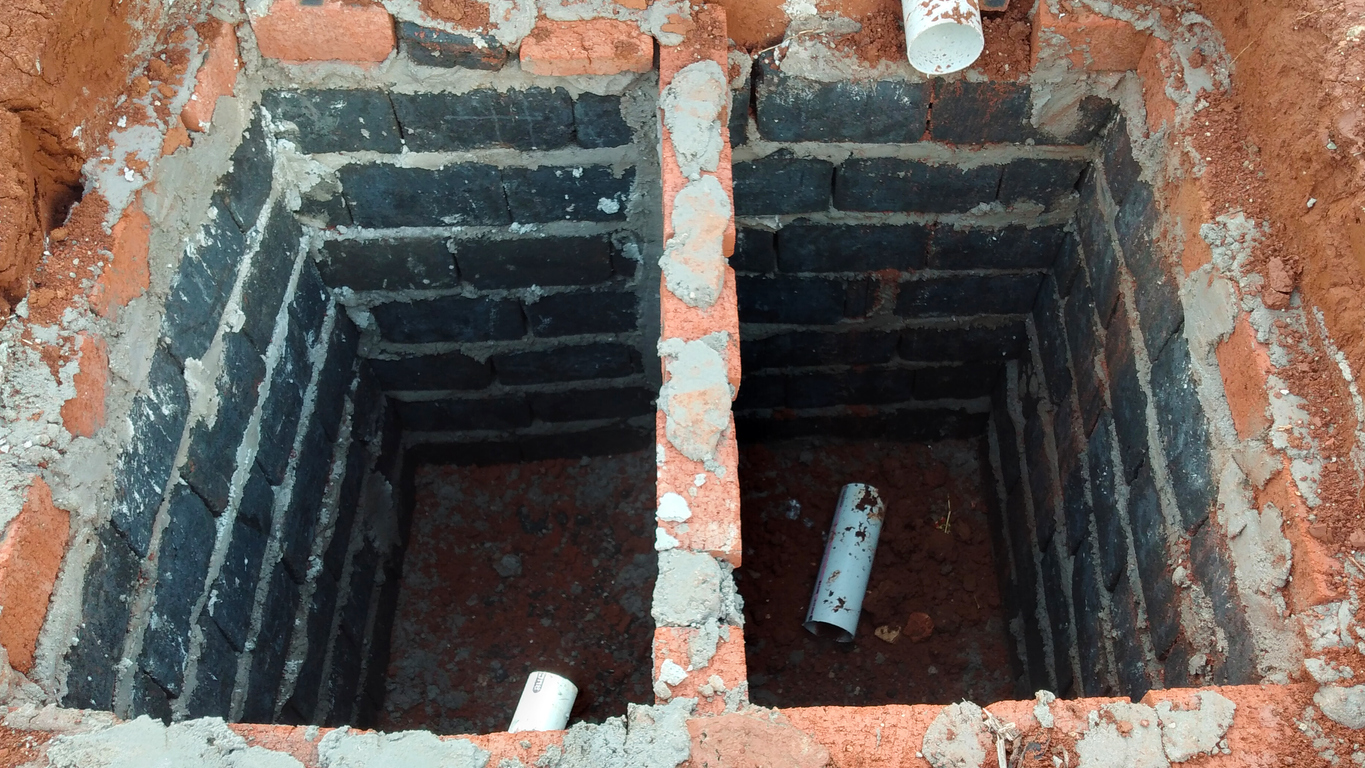
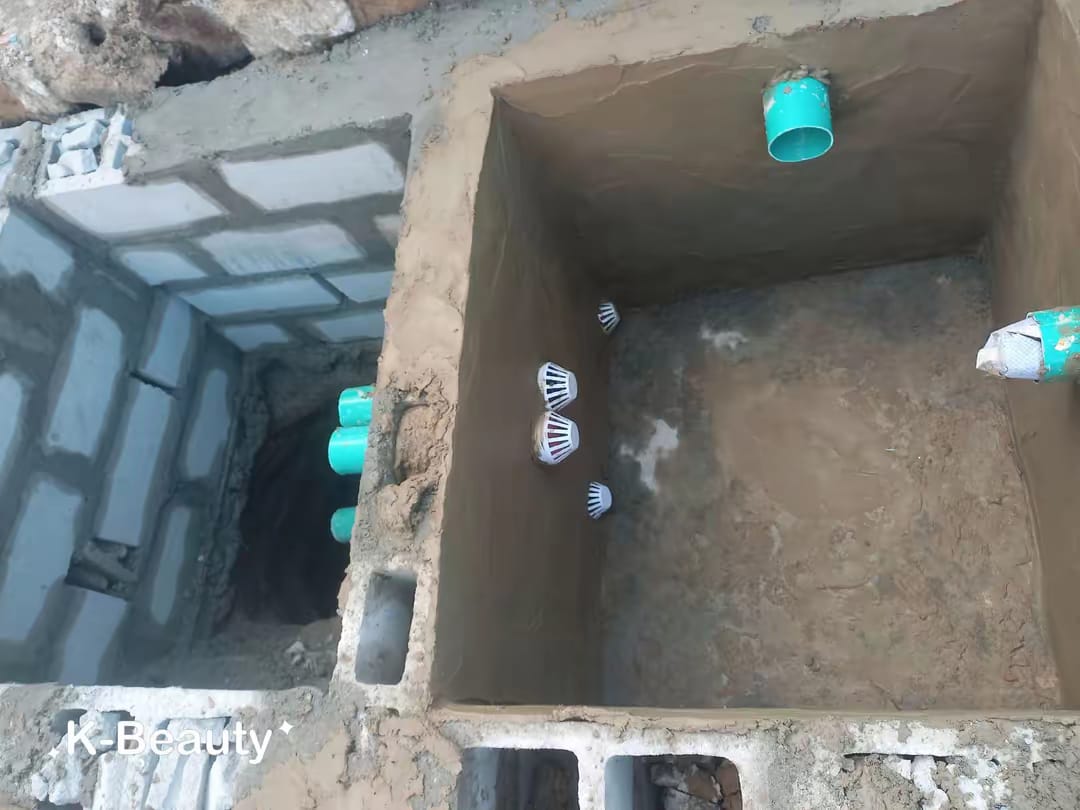
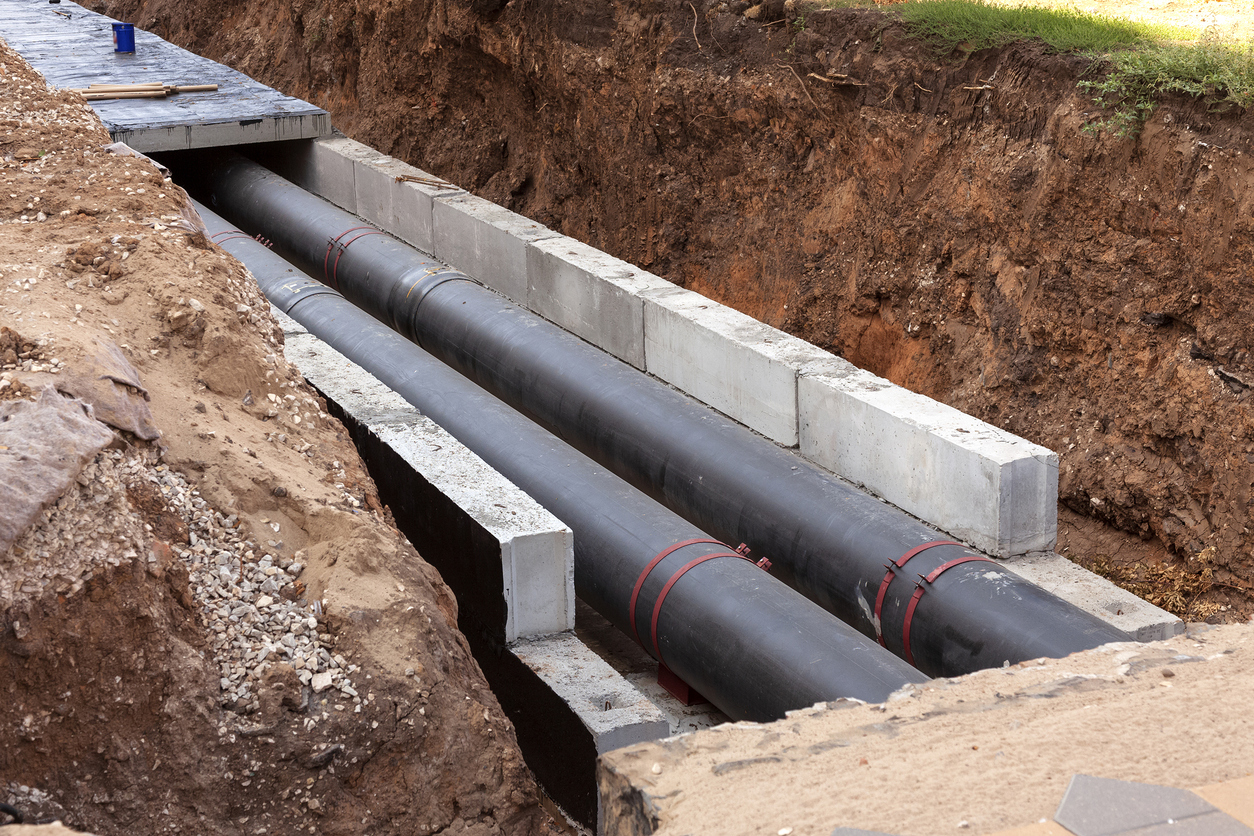
Drainage is measured by linear metre of channel or culvert, with soak pits, manholes, and connection chambers quoted per unit. A 30 m perimeter drain is 30 linear metres. A soak pit serving a downpipe is one unit. The total cost is the sum of the channel lengths, the units, and the excavation and carting. Always confirm whether excavation, carting, and any connection to the public drain are included, because these are the lines most often left out of a cheap quote.
3. Quick answer - drainage construction prices in Nigeria 2026
| Pricing basis | Low | Average | High |
|---|---|---|---|
| Labour and materials, per linear metre of channel | ₦20,000 | ₦40,000 | ₦80,000 |
| Labour only, per linear metre | ₦4,000 | ₦8,000 | ₦15,000 |
Total = (channel length × per-metre rate) + soak pits + manholes + excavation and carting.
4. What low, average and high mean
Low is a shallow open channel (150–300 mm deep) around a single building, on firm ground with good fall and easy access.
Average is a 300–450 mm channel with covers or gratings, a few soak pits, and excavation to a proper fall.
High is a deep channel (600 mm+), culvert sections under driveways, multiple chambers, or work in tight ground with a high water table.
5. Factors that change the price of drainage construction
- Channel depth and width - deeper and wider channels use more concrete and more excavation, and the cost rises with both.
- Ground conditions - firm laterite excavates cleanly, while soft, sandy, or waterlogged ground needs timbering, dewatering, or a different construction method.
- Fall and levels - the drain must fall steadily to its outlet; if the site is flat or the outlet is far away, the excavation deepens and the cost rises.
- Covers and gratings - open channels are cheapest; covered channels with gratings or slabs add material and labour.
- Culverts under driveways - a section that must carry vehicle loads needs thicker concrete and reinforcement, which costs more per metre.
- Soak pits and chambers - each unit adds cost, and the number needed depends on the roof area and the soil's ability to absorb water.
- Connection to public drain - where a public drain exists, connecting to it may involve fees, permits, and additional excavation.
6. Cost breakdown - what you are paying for
- Excavation and carting (20–28%) - the trench must be dug to a steady fall and the spoil removed.
- Concrete and formwork (35–45%) - the channel structure itself.
- Covers, gratings, and chambers (15–22%) - safety and access.
- Soak pits (8–15%) - where used.
- Supervision and testing (5–8%) - checking falls and flow before the system is buried.
7. What a drainage construction quote should include
- Channel length, width, and depth
- Fall and outlet details
- Excavation and carting
- Covers, gratings, and chambers
- Soak pits and their locations
- Connection to public drain, with any fees
- Testing that water flows to the outlet
8. What can go wrong with drainage
- Wrong falls - a drain that does not fall steadily holds water, silts up, and eventually backs up.
- Undersized channel - a channel too small for the rainfall intensity overflows in heavy rain and erodes the ground around the house.
- No soak pit or outlet - a drain that leads nowhere is just a trench.
- Poor joints - water escapes at joints and undermines the channel or the foundation nearby.
- Blocked gratings - leaves and debris block the flow; gratings must be accessible and cleanable.
9. Red flags to watch for
- A per-metre rate with no stated depth - depth is the main cost driver, so a rate without it is not a comparable price.
- No carting allowance - the excavated spoil has to go somewhere.
- No outlet specified - ask where the water ends up before work starts.
- No covers or gratings priced - open channels are a safety hazard and often need covers.
- No testing - water must be run through the drain before it is buried.
10. Questions to ask a drainage contractor
- What channel depth and width are you pricing, and what fall will you achieve?
- Where does the water outlet, and is the connection included?
- Is excavation and carting included in this price?
- Are covers, gratings, and chambers included?
- Will you test the flow before the system is buried?
11. How to compare two drainage quotes
Compare on channel depth and width, fall and outlet, excavation and carting, covers and chambers, and testing. A lower per-metre rate for a shallow channel with no outlet is not a saving; it is a system that will flood the compound in the first heavy rain. Ask both contractors to state the outlet and the fall in writing. If the drainage is part of a larger building project, compare before you build so the levels and drainage are designed together with the foundation.
12. Drainage compared with related site works
| Work | Cost basis | Best for | Trade-off |
|---|---|---|---|
| Surface drainage channel | Per linear metre | Directing rainwater away from buildings | Needs fall and an outlet |
| Culvert | Per linear metre | Carrying drains under driveways and roads | Heavier structure, higher cost |
| Soak pit | Per unit | Disposing of roof and surface water | Needs permeable soil |
| French drain | Per linear metre | Lowering groundwater around foundations | Needs filter material and careful detailing |
13. Common mistakes
Building the drain before setting the levels - the fall is decided by the outlet, so the outlet must be fixed first.
Sizing by eye - rainfall intensity, not guesswork, should size the channel.
Skipping the soak pit - a drain without a destination is incomplete.
Ignoring maintenance - gratings and channels need cleaning; design for access.
Planning example
A 20 m × 15 m bungalow with a 30 m perimeter drain, three downpipe soak pits, and one connection chamber needs 30 linear metres of channel, three soak pits, and one chamber. Multiply the channel length by the per-metre rate, add the pits and chamber, add excavation and carting, then add supervision. Check the outlet first, because the depth and therefore the cost depend on where the water is going. Use the materials estimator to check concrete and block quantities for the channel before you compare quotes.
14. FAQs
How much does drainage construction cost in Nigeria?
It depends on channel depth and width, length, soak pits, and the outlet. This guide gives per-metre and per-unit rates to build a budget.
Do I need drainage around my house?
Yes. Surface water must be directed away from the foundation to prevent damp, erosion, and settlement.
How deep should a drainage channel be?
Deep enough to maintain a steady fall to the outlet, typically 150–450 mm for residential surface drainage.
What is a soak pit for?
It disposes of water from downpipes and surface drains where there is no public drain, letting it soak into the ground.
Can I connect my drainage to the public drain?
Where a public drain exists, yes, usually with permission and sometimes a fee. Confirm the requirements with your local authority.
How long does drainage construction take?
A residential perimeter drain typically takes 3–7 days, depending on length, depth, and curing time.
Related Skillland services and guides
Ready to build your drainage? Post your project with your site levels and outlet details, and compare contractors who quote depth, outlet, and carting in writing.
Drainage Construction costs by state and the FCT
Choose a state or the FCT to view the local drainage construction page, pricing and project guidance.
South West
North Central
South South
South East
North West
North East
Ready to start your project?
Post your project on Skillland and connect with trusted artisans and contractors in Nigeria.
Post a Project