Cost Guide
Cost of earthwork in Nigeria 2026
Earthwork moves and compacts soil to bring a site to design levels. This guide explains how it is priced per cubic metre, what drives the cost, and how to check a quote with tabulated worked examples.
Average Cost of Earthwork, Labour + Materials
Estimated cost of Earthwork, including labour and materials.
Average Cost of Earthwork, Labour Only
Estimated labour cost of Earthwork, excluding materials.
Nigeria-wide figures use the local General / Nigeria record, or typical values from available state records. Final quotations depend on scope, specification and site condition.
Open full calculator1. Cost of earthwork in Nigeria 2026
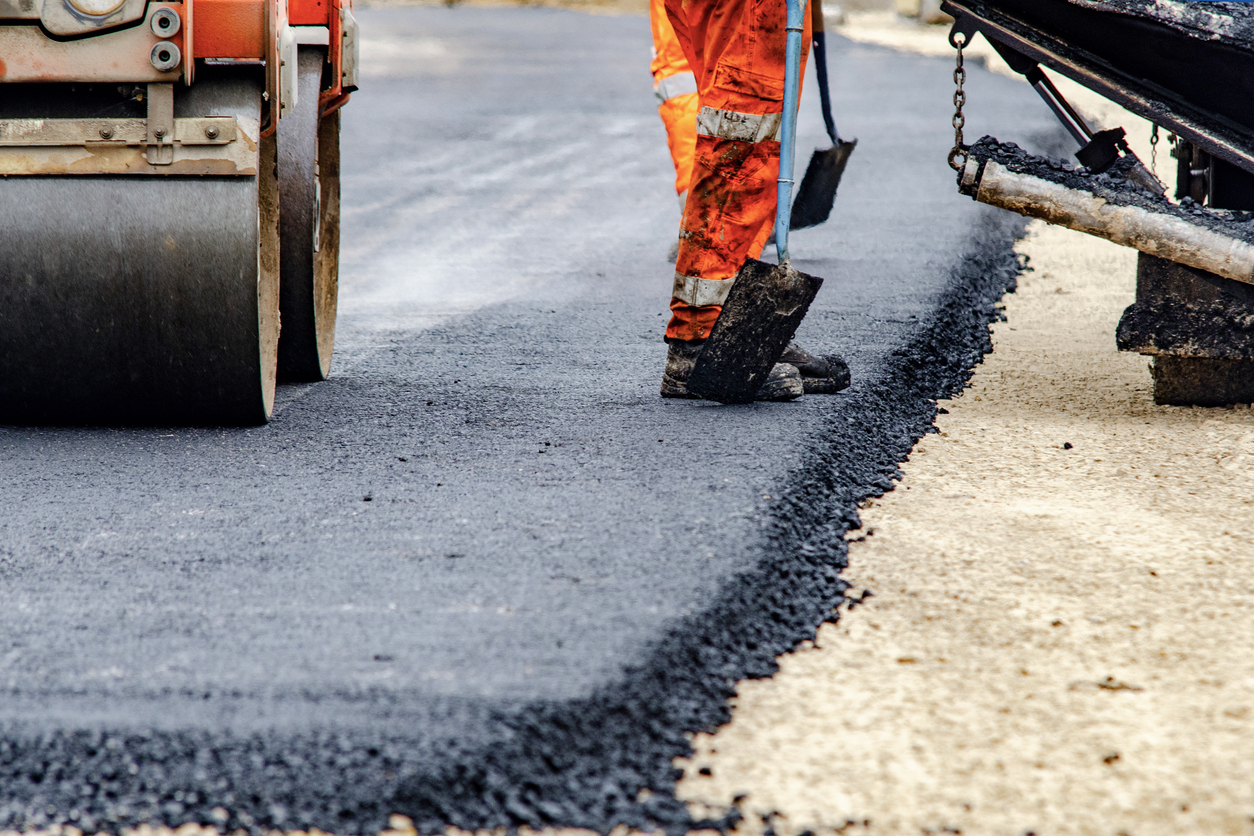
Earthwork is the stage where the ground is cut down, built up, and compacted to the levels the building needs. It sits between site clearing and foundation work, and it is where many budget surprises hide. A plot that looks flat can require significant cut on one side and fill on the other, and the volume of soil moved is often far larger than owners expect. The cost is driven by volume, haul distance, compaction requirements, and the nature of the soil.
This guide explains how earthwork is priced, how volumes are calculated, and what to check in a quote so you are not paying for work that was never properly specified.
2. How earthwork is measured
Earthwork is measured by cubic metre of soil cut, filled, or excavated. The volume comes from comparing existing levels with design levels — the survey provides the existing levels, and the architect or engineer provides the design levels. Cutting one area of 100 m² by 0.5 m gives 50 m³ of cut. Filling another area of 200 m² by 0.3 m gives 60 m³ of fill. The volumes are never simply the plot area times a single depth; they must be calculated area by area from a level survey. Any quote that does not reference a level survey and a volume calculation is a guess, not a price.
3. Quick answer - earthwork prices in Nigeria 2026
| Pricing basis | Low | Average | High |
|---|---|---|---|
| Labour and materials, per m³ of cut or fill | ₦XYZ | ₦XYZ | ₦XYZ |
| Labour only, per m³ | ₦XYZ | ₦XYZ | ₦XYZ |
| Compaction, per m³ | ₦XYZ | ₦XYZ | ₦XYZ |
Total = (cut volume × cut rate) + (fill volume × fill rate) + compaction + haulage.
4. What low, average and high mean
Low is shallow cut or fill (under 0.5 m), short haul distance on site, and soil that compacts easily with standard equipment.
Average is cut or fill of 0.5–1.5 m, moderate haul distance, and imported fill with proper compaction in layers.
High is deep cut or fill (over 1.5 m), long haul distance, poor or expansive soil requiring replacement, or a site with restricted access for machines.
5. Factors that change the price of earthwork
- Volume of cut and fill - The dominant driver, calculated from level survey versus design levels.
- Haul distance - Moving soil across a large site or off-site adds cost quickly.
- Soil type - Laterite and sandy soils compact predictably. Expansive clays and organic soils may need removal and replacement.
- Compaction requirement - Fill must be placed in layers and compacted to a specified density; heavier compaction means more passes and more time.
- Water content - Soil that is too wet or too dry will not compact properly and needs conditioning, which adds cost.
- Site access - Machines need room to work and turn; tight sites slow progress and raise the per-m³ rate.
- Spoil removal - Cut material that is not reused as fill must be carted away.
6. Cost breakdown - what you are paying for
- Survey and volume calculation (3–6%). The basis for the whole job.
- Machine excavation and cut (25–35%).
- Haulage and placement of fill (20–30%).
- Compaction in layers (15–20%).
- Spoil removal (10–18%).
- Supervision and testing (5–10%). Compaction tests confirm the fill is sound.
7. What an earthwork quote should include
- Cut and fill volumes with the calculation basis
- Existing and design levels referenced to the survey
- Haul distances and placement locations
- Compaction method and specified density
- Soil suitability and any replacement
- Spoil removal and destination
- Access assumptions and machine types
- Compaction testing and who pays
8. What can go wrong with earthwork
- No level survey - Without existing and design levels, volumes are guesses and disputes are likely.
- Fill placed in thick layers - Thick layers do not compact properly and settle later, cracking the building above.
- Wrong moisture content - Wet or dry soil will not reach the specified density.
- Unsuitable fill - Organic, expansive, or rubbish-laden soil compacts poorly and causes settlement.
- No compaction testing - Without tests, you have no proof the fill is sound.
9. Red flags to watch for
- A lump-sum price with no volumes - You cannot check what you are paying for.
- No reference to a level survey - The volumes must come from levels, not from eyeballing the site.
- Compaction described vaguely - "Well compacted" is not a specification. Ask for layer thickness and density.
- Spoil removal excluded - Cut material has to go somewhere.
- No testing allowance - Compaction tests are how you know the fill will not settle.
10. Questions to ask an earthwork contractor
- What cut and fill volumes are you pricing, and what is the basis?
- What layer thickness and compaction density will you achieve?
- What type of fill are you using, and where does it come from?
- How will you remove and dispose of surplus cut?
- What compaction testing will you do, and can I see results?
11. How to compare two earthwork quotes
Compare on volumes and calculation basis, fill source and suitability, layer thickness and compaction density, spoil removal, and testing. A low per-m³ rate with thick layers and no testing is not cheaper — it is a settlement risk built into your foundation. Insist on seeing the volume calculation from the survey, and confirm whether compaction testing is included. If the site levels are still being finalised, compare before you build so the design, levels, and earthwork volumes are settled together.
12. Earthwork compared with related site works
| Work | Cost basis | Best for | Trade-off |
|---|---|---|---|
| Earthwork (cut and fill) | Per m³ | Bringing site to design levels | Volume and compaction risk |
| Site clearing | Per m² plus carting | Removing vegetation and topsoil | Precedes earthwork |
| Excavation for foundations | Per m³ | Trenches, pits, basements | Separate from bulk earthwork |
| Land surveying | Per plot or hectare | Levels and boundaries | Provides the levels earthwork depends on |
13. Common mistakes
- Estimating volumes without a survey - The most common and most costly error.
- Accepting thick fill layers - Settlement follows, and cracks appear in the building.
- Using unsuitable fill - Expansive or organic soil is not a substitute for proper fill.
- Skipping compaction tests - Without tests, the fill is unverified.
Planning example
A 500 m² plot needs cutting in one corner by 0.6 m over 150 m² (90 m³) and filling in another corner by 0.5 m over 250 m² (125 m³). The cut gives 90 m³, so 35 m³ of imported fill is needed. Multiply cut, haulage, fill, imported fill, compaction, and testing by your rates, add supervision, and you have the earthwork budget. Use the materials estimator once the foundation stage begins, so the site levels and foundation quantities are budgeted together.
14. FAQs
How much does earthwork cost in Nigeria?
It depends on volume, haul distance, soil type, and compaction requirements. This guide gives per-m³ rates to build a budget.
Do I need a survey for earthwork?
Yes. Cut and fill volumes must be calculated from existing and design levels; without a survey, the volumes are guesses.
How thick should fill layers be?
Typically 150–250 mm per layer, compacted before the next layer. Your engineer or specification sets the exact figure.
Can I use the cut material as fill?
Often yes, if it is suitable and properly compacted. Unsuitable soil must be removed and replaced.
What is compaction testing?
A field test (such as a sand replacement or nuclear density test) confirming the fill has reached the specified density.
How long does earthwork take?
A residential plot typically takes several days to two weeks, depending on volumes and weather.
Related Skillland services and guides
Ready to price your earthwork? Post your project with your survey levels and design levels, and compare contractors who quote volumes and test compaction.
Earthwork costs by state and the FCT
Choose a state or the FCT to view the local earthwork page, pricing and project guidance.
South West
North Central
South South
South East
North West
North East
Ready to start your project?
Post your project on Skillland and connect with trusted artisans and contractors in Nigeria.
Post a Project