Cost Guide
Cost of road construction in Nigeria 2026
Road construction ranges from a simple laterite access track to a paved estate road. This guide explains what each costs in Nigeria, how it is measured, and what drives the price.
Average Cost of Road Construction, Labour + Materials
Estimated cost of Road Construction, including labour and materials.
Average Cost of Road Construction, Labour Only
Estimated labour cost of Road Construction, excluding materials.
Nigeria-wide figures use the local General / Nigeria record, or typical values from available state records. Final quotations depend on scope, specification and site condition.
Open full calculator1. Cost of road construction in Nigeria 2026
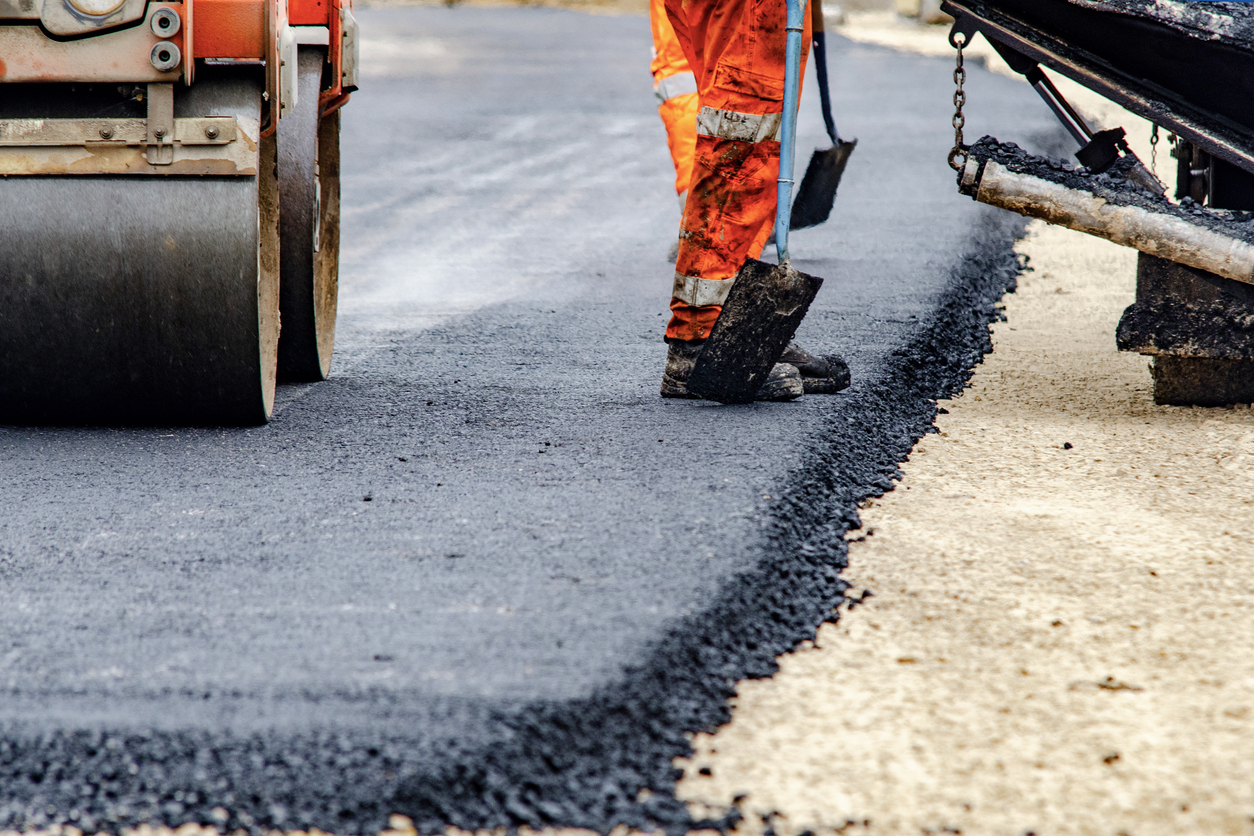
Road construction covers a wide range, from a graded laterite access track to a fully paved estate road with kerbs and drainage. The cost per metre can vary by a factor of ten depending on what is being built. In Nigerian practice, most private road work is either an access track to a plot or an internal estate road, and the two have very different specifications.
This guide explains what road construction costs, how it is measured, and what to check in a quote so the road performs in the rainy season as well as the dry one.
2. How road construction is measured
Roads are measured by linear metre or kilometre, with the width, pavement type, and drainage stated separately. A 200 m access road at 6 m wide has an area of 1,200 m², but the price is usually quoted per metre of length for a given width. Always confirm the width, the pavement layers, and whether drainage and kerbs are included, because those three facts decide the real cost.
3. Quick answer - road construction prices in Nigeria 2026
| Pricing basis | Low | Average | High |
|---|---|---|---|
| Labour and materials, per linear metre (laterite, 6 m wide) | ₦30,000 | ₦45,000 | ₦65,000 |
| Labour and materials, per linear metre (paved, 6 m wide) | ₦15,000 | ₦30,000 | ₦60,000 |
| Labour only, per linear metre | ₦5,000 | ₦10,000 | ₦15,000 |
Total = (road length × per-metre rate) + drainage + kerbs + any culverts or crossings.
4. What low, average and high mean
Low is a graded laterite access track with basic compaction and simple side drainage.
Average is a laterite road with a proper sub-base, compaction, and side drains, suitable for a residential estate.
High is a paved road with a crushed stone base, asphalt or interlocking surface, kerbs, and full drainage.
5. Factors that change the price of road construction
- Pavement type - a laterite track is far cheaper than a paved road with a crushed stone base and asphalt or interlocking surface.
- Road width - wider roads use more material per metre and require more excavation and compaction.
- Subgrade condition - soft or waterlogged subgrade needs improvement, replacement, or a geotextile, all of which add cost.
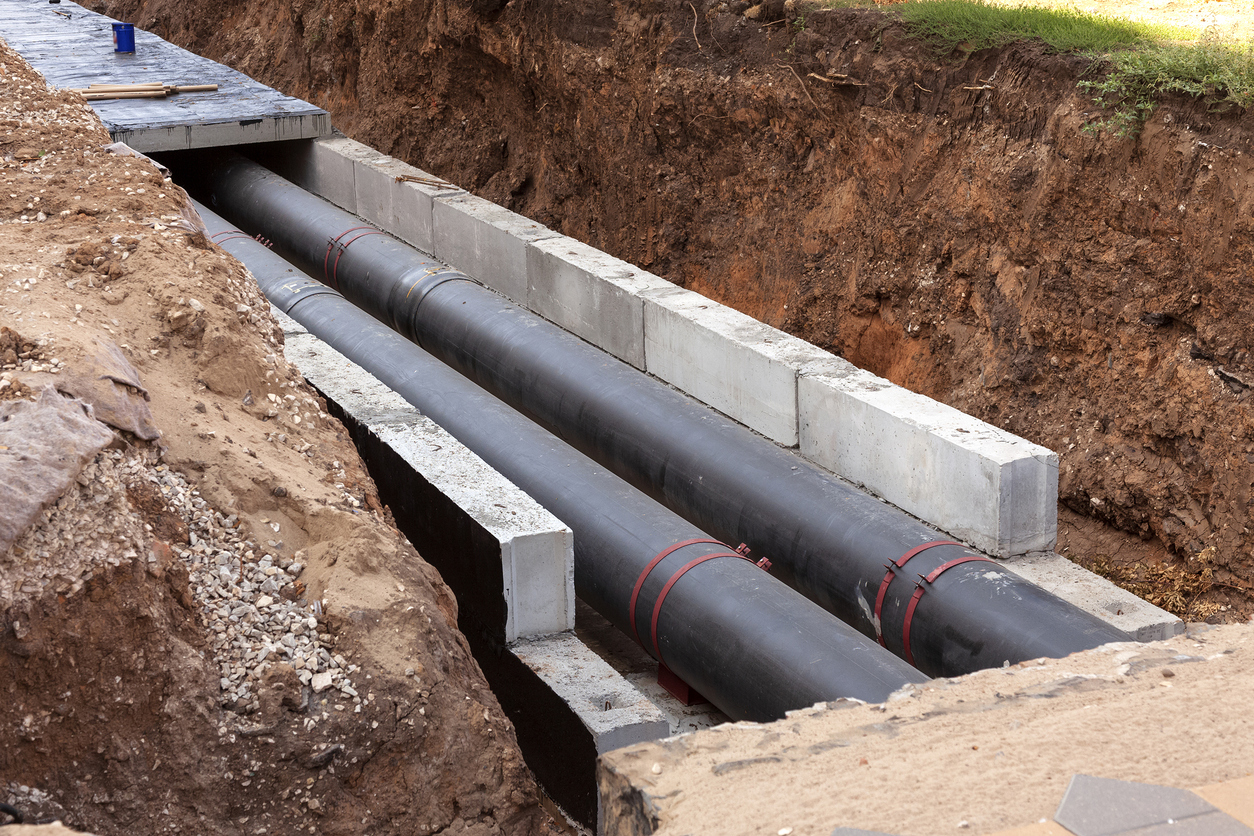
- Drainage - side drains, culverts, and crossings are essential for durability and are often priced separately.
- Haul distance for materials - laterite, crushed stone, and asphalt cost more the further they must be hauled.
- Compaction and testing - proper layer thickness and density testing are part of a road that lasts; cheap roads skip them and fail early.
- Access and terrain - a road through bush, swamp, or steep ground costs more to build.
6. Cost breakdown - what you are paying for
- Clearing and earthworks (15–22%) - removing vegetation and shaping the subgrade.
- Sub-base and base (25–35%) - the structural layers that carry traffic.
- Surfacing (20–30%) - laterite, asphalt, or interlocking.
- Drainage and kerbs (15–22%) - the part that keeps water out of the pavement.
- Compaction and testing (5–10%) - what makes the layers work.
7. What a road construction quote should include
- Road length and width
- Pavement layers and thicknesses
- Subgrade preparation and any improvement
- Drainage, culverts, and crossings
- Kerbs, if paved
- Compaction method and testing
- Haul distances for materials
8. What can go wrong with road construction
- Inadequate drainage - water in the pavement layers destroys a road faster than traffic; side drains and culverts are not optional.
- Poor subgrade preparation - a road built on soft or organic subgrade fails at the surface within a season.
- Thin or poorly compacted layers - the road ruts and breaks up under load.
- No testing - without density tests, the layers are unverified.
- Wrong surfacing for the traffic - a laterite track on a busy estate road will not last.
9. Red flags to watch for
- A per-metre rate with no width or pavement specification - not a comparable price.
- No drainage allowance - the road will fail in the rainy season.
- No compaction testing - layer quality is unverified.
- No subgrade assessment - soft ground will undermine the road.
- Vague material sources - haul distance and material quality affect both cost and performance.
10. Questions to ask a road construction contractor
- What width and pavement layers are you pricing?
- How will you prepare and test the subgrade?
- Is drainage, including culverts, included?
- What compaction testing will you do, and can I see results?
- Where will the materials come from, and how far is the haul?
11. How to compare two road quotes
Compare on width, pavement layers and thicknesses, subgrade preparation, drainage, and testing. A cheaper laterite rate with no drainage and thin layers is not a saving; it is a road that will rut and fail within a season or two. Ask both contractors to state the layer thicknesses and the drainage scope in writing. If the road is part of an estate or development, compare before you build so the road, drainage, and plot levels are designed together.
12. Road construction compared with related works
| Work | Cost basis | Best for | Trade-off |
|---|---|---|---|
| Laterite access road | Per linear metre | Low-traffic access, temporary roads | Dust, ruts, needs maintenance |
| Paved estate road | Per linear metre | Residential estates, regular traffic | Higher cost, needs drainage |
| Interlocking paving | Per m² | Driveways, pedestrian areas | Not for heavy traffic |
| Drainage construction | Per linear metre | Protecting roads and buildings | Must be designed with the road |
13. Common mistakes
- Building the road before the drainage - water destroys the pavement.
- Skipping subgrade assessment - soft ground undermines the whole road.
- Thin layers to save cost - the road fails under load.
- No maintenance plan - laterite roads need grading and re-surfacing.
Planning example
A 200 m estate access road at 6 m wide with side drains, built as a laterite road with a proper sub-base and compaction, needs 200 linear metres of road plus 400 m of side drain. Multiply the road length by the per-metre rate, add the drainage, add culverts at any crossings, then add testing. Use the materials estimator to check laterite and crushed stone volumes before you compare quotes.
14. FAQs
How much does road construction cost in Nigeria?
It depends on pavement type, width, drainage, and haul distance. This guide gives per-metre rates for laterite and paved roads to build a budget.
What is the cheapest type of road?
A graded laterite access track is the cheapest, but it needs maintenance and is only suitable for low traffic.
How wide should an estate road be?
Typically 6–7.5 m for two-way traffic, with additional width at junctions and turning areas.
Do I need drainage for a laterite road?
Yes. Water destroys laterite roads quickly; side drains are essential.
How long does road construction take?
A 200 m laterite access road can take 1–2 weeks; a paved road takes longer, depending on layers and curing.
Can I build a road in stages?
Yes. Many estates start with a laterite road and pave it later when funds allow, provided the sub-base is built properly from the start.
Related Skillland services and guides
Ready to build your road? Post your project with your road length, width, and traffic, and compare contractors who quote layers, drainage, and testing in writing.
Road Construction costs by state and the FCT
Choose a state or the FCT to view the local road construction page, pricing and project guidance.
South West
North Central
South South
South East
North West
North East
Ready to start your project?
Post your project on Skillland and connect with trusted artisans and contractors in Nigeria.
Post a Project