Cost Guide
Cost of retaining wall construction in Nigeria 2026
A retaining wall holds back soil where the ground slopes or levels change. This guide explains what retaining walls cost in Nigeria, how they are measured, and what a proper quote should include.
Average Cost of Retaining Wall Construction, Labour + Materials
Estimated cost of Retaining Wall Construction, including labour and materials.
Average Cost of Retaining Wall Construction, Labour Only
Estimated labour cost of Retaining Wall Construction, excluding materials.
Nigeria-wide figures use the local General / Nigeria record, or typical values from available state records. Final quotations depend on scope, specification and site condition.
Open full calculator1. Cost of retaining wall construction in Nigeria 2026
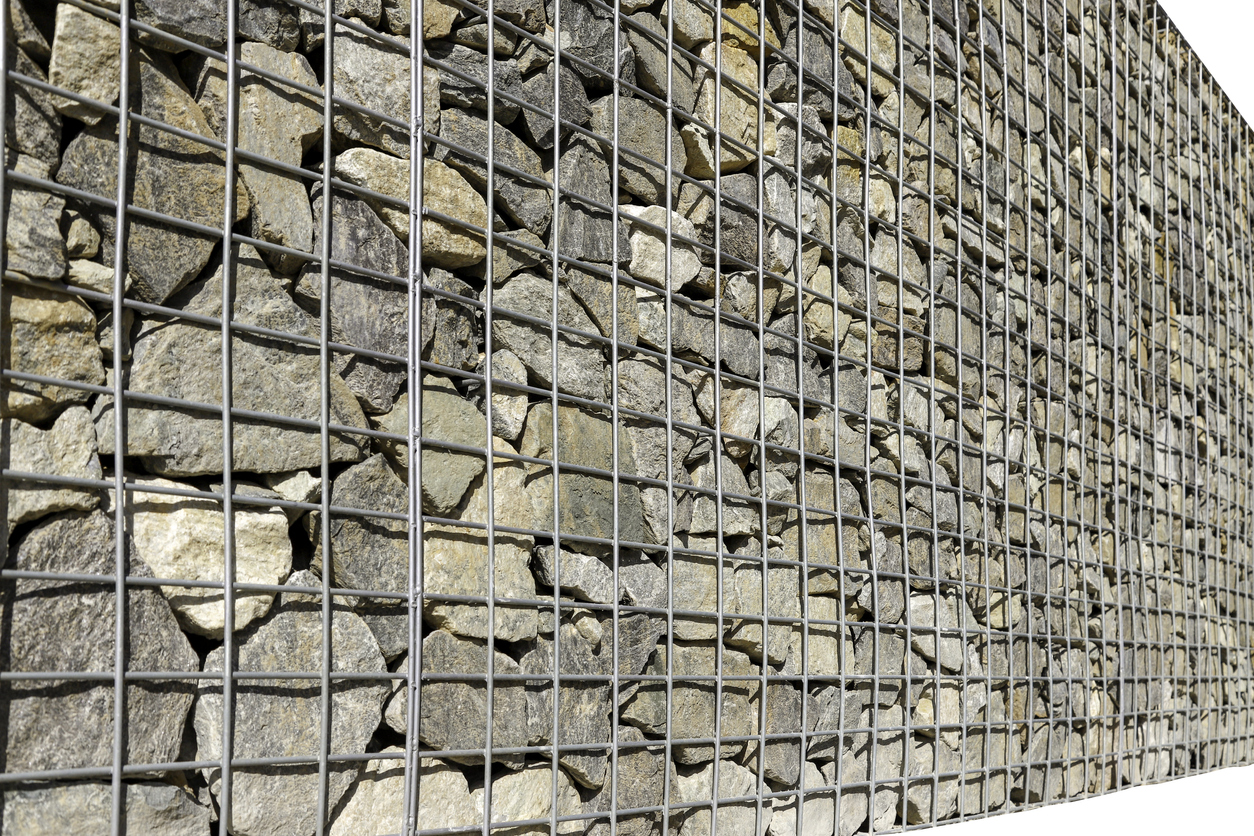
A retaining wall holds back soil where the ground slopes or where a site has been cut to create a level platform. It is a structural element, not a fence: it must resist the pressure of the soil and water behind it, and if it fails, the consequences can be serious. In Nigerian practice, retaining walls are usually built from reinforced concrete, blocks, stone, or gabions, and the choice depends on height, soil, and cost.
This guide explains what retaining walls cost, how they are measured, and what to check in a quote so the wall stands safely for years.
2. How retaining walls are measured
Retaining walls are measured by m² of wall face, which is the wall length multiplied by the retained height. A 10 m wall retaining 2 m of soil is 20 m². The cost per m² rises with height, because taller walls need thicker sections and more reinforcement. Excavation, backfill, and drainage are usually quoted separately or as part of an all-in rate, so always confirm what is included.
3. Quick answer - retaining wall prices in Nigeria 2026
| Pricing basis | Low | Average | High |
|---|---|---|---|
| Labour and materials, per m² (block or stone) | ₦180,000 | ₦250,000 | ₦400,000 |
| Labour and materials, per m² (reinforced concrete) | ₦180,000 | ₦250,000 | ₦400,000 |
| Labour only, per m² | ₦30,000 | ₦60,000 | ₦100,000 |
Total = (wall face area × per-m² rate) + excavation + backfill + drainage + foundations.
4. What low, average and high mean
Low is a low block or stone wall (up to 1 m) on firm ground with simple drainage.
Average is a reinforced concrete or block wall 1–2.5 m high, with a proper foundation and drainage behind the wall.
High is a wall over 2.5 m, or a wall on soft ground, with heavy reinforcement, dewatering, and engineered drainage.
5. Factors that change the price of retaining wall construction
- Retained height - the main driver; taller walls need thicker sections, more reinforcement, and deeper foundations.
- Soil type - soft or waterlogged soil increases pressure on the wall and may require ground improvement.
- Water pressure - drainage behind the wall is essential; without it, water pressure can double the load the wall must resist.
- Wall material - blocks are cheapest for low walls; reinforced concrete and gabions cost more but are stronger.
- Foundation - the wall must sit on a firm base; poor ground means a deeper or wider foundation.
- Backfill and drainage - gravel backfill and drainage pipes are essential and often excluded from cheap quotes.
- Access - tight sites make excavation and concrete placement harder and more expensive.
6. Cost breakdown - what you are paying for
- Excavation and foundation (20–28%) - the wall must sit on firm ground.
- Wall structure (35–45%) - blocks, concrete, stone, or gabions.
- Reinforcement (where concrete) (10–18%) - steel for the wall and foundation.
- Backfill and drainage (10–15%) - gravel and pipes behind the wall.
- Supervision and testing (5–8%) - checking alignment and drainage.
7. What a retaining wall quote should include
- Wall length and retained height
- Wall material and thickness
- Foundation type and depth
- Reinforcement details if concrete
- Backfill material and drainage behind the wall
- Excavation and carting
- Surface water control at the top of the wall
8. What can go wrong with retaining walls
- No drainage behind the wall - water pressure builds up and can topple the wall, especially in the rainy season.
- Inadequate foundation - a wall on soft ground settles and cracks.
- Under-designed section - a wall too thin for the retained height fails under load.
- No surface water control - water running over the top erodes the backfill and undermines the wall.
- Poor backfill - clay backfill holds water; gravel backfill drains it.
9. Red flags to watch for
- A per-m² rate with no height stated - height is the cost driver.
- No drainage allowance - the wall will fail under water pressure.
- No foundation detail - the wall must sit on firm ground.
- No backfill specification - cheap clay backfill is a future problem.
- No engineer input for tall walls - walls over 2 m need proper design.
10. Questions to ask a retaining wall contractor
- What retained height and wall material are you pricing?
- What foundation type and depth will you use?
- Is drainage behind the wall included?
- What backfill material will you use?
- For walls over 2 m, who is the engineer designing it?
11. How to compare two retaining wall quotes
Compare on retained height, wall material and thickness, foundation, drainage and backfill, and surface water control. A cheaper per-m² rate with no drainage is not a saving; it is a wall waiting to fail. Ask both contractors to state the drainage and backfill scope in writing. For tall walls or poor ground, compare before you build and have an engineer design the wall rather than relying on a contractor's rule of thumb.
12. Retaining wall compared with related options
| Option | Cost basis | Best for | Trade-off |
|---|---|---|---|
| Block or stone retaining wall | Per m² | Low walls, up to about 1.5 m | Limited height |
| Reinforced concrete wall | Per m² | Taller walls, heavier loads | Higher cost, needs design |
| Gabion wall | Per m³ of gabion | Sloped sites, drainage-friendly | Bulky, needs stone fill |
| Terracing with vegetation | Per m² | Landscaped slopes | Not for structural retention |
13. Common mistakes
- Building without drainage - water pressure topples walls.
- Using clay backfill - it holds water and adds load.
- Skipping the foundation - the wall settles and cracks.
- No surface water control - water erodes the backfill from above.
Planning example
A 12 m wall retaining 2 m of soil is 24 m² of wall face. Multiply by the per-m² rate for the chosen material, add excavation and foundation, add backfill and drainage behind the wall, then add surface water control at the top. Use the materials estimator to check block and concrete quantities, and confirm the drainage detail before work starts.
14. FAQs
How much does a retaining wall cost in Nigeria?
It depends on height, material, foundation, and drainage. This guide gives per-m² rates for block and concrete walls to build a budget.
How high can a block retaining wall go?
Typically up to about 1.5 m without engineered design; taller walls should be reinforced concrete, designed by an engineer.
Why is drainage behind a retaining wall important?
Water pressure can double the load on the wall. Drainage relieves it and prevents failure.
What backfill should be used behind a retaining wall?
Gravel or crushed stone, not clay. It drains water away from the wall.
Do I need an engineer for a retaining wall?
For walls over about 2 m, or on poor ground, yes. The design should not be left to the contractor alone.
How long does retaining wall construction take?
A 12 m wall can take 1–2 weeks, depending on height, material, and curing.
Related Skillland services and guides
Ready to build your retaining wall? Post your project with your wall height, soil details, and site photos, and compare contractors who include drainage and backfill in their price.
Retaining Wall Construction costs by state and the FCT
Choose a state or the FCT to view the local retaining wall construction page, pricing and project guidance.
South West
North Central
South South
South East
North West
North East
Ready to start your project?
Post your project on Skillland and connect with trusted artisans and contractors in Nigeria.
Post a Project