Cost Guide
Cost of septic tank and soakaway in Nigeria 2026
A septic tank and soakaway system treats household sewage where mains drainage is unavailable. This guide explains what both cost, how they are sized, and how to check a quote with worked examples.
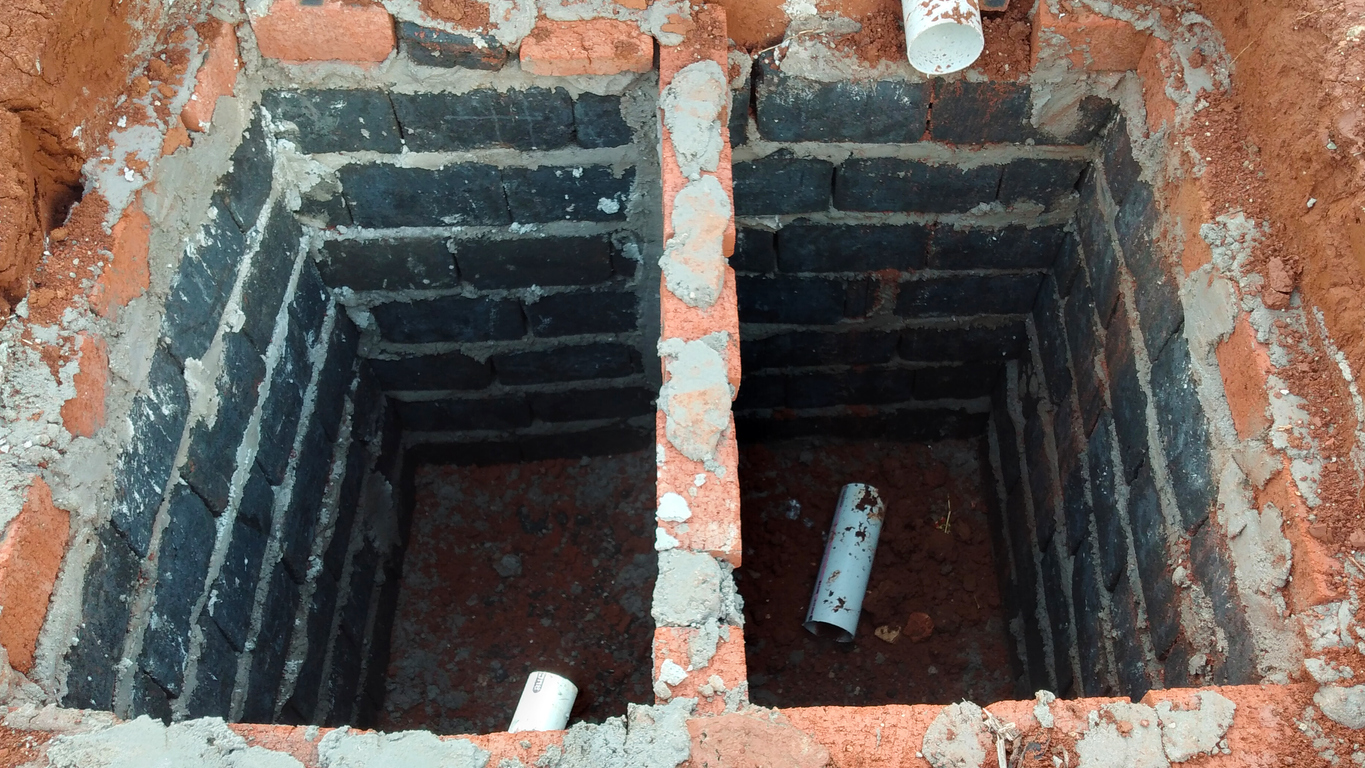
Average Cost of Septic Tank Construction, Labour + Materials
Estimated cost of Septic Tank Construction, including labour and materials.
Average Cost of Septic Tank Construction, Labour Only
Estimated labour cost of Septic Tank Construction, excluding materials.
Nigeria-wide figures use the local General / Nigeria record, or typical values from available state records. Final quotations depend on scope, specification and site condition.
Open full calculator1. Cost of septic tank and soakaway in Nigeria 2026
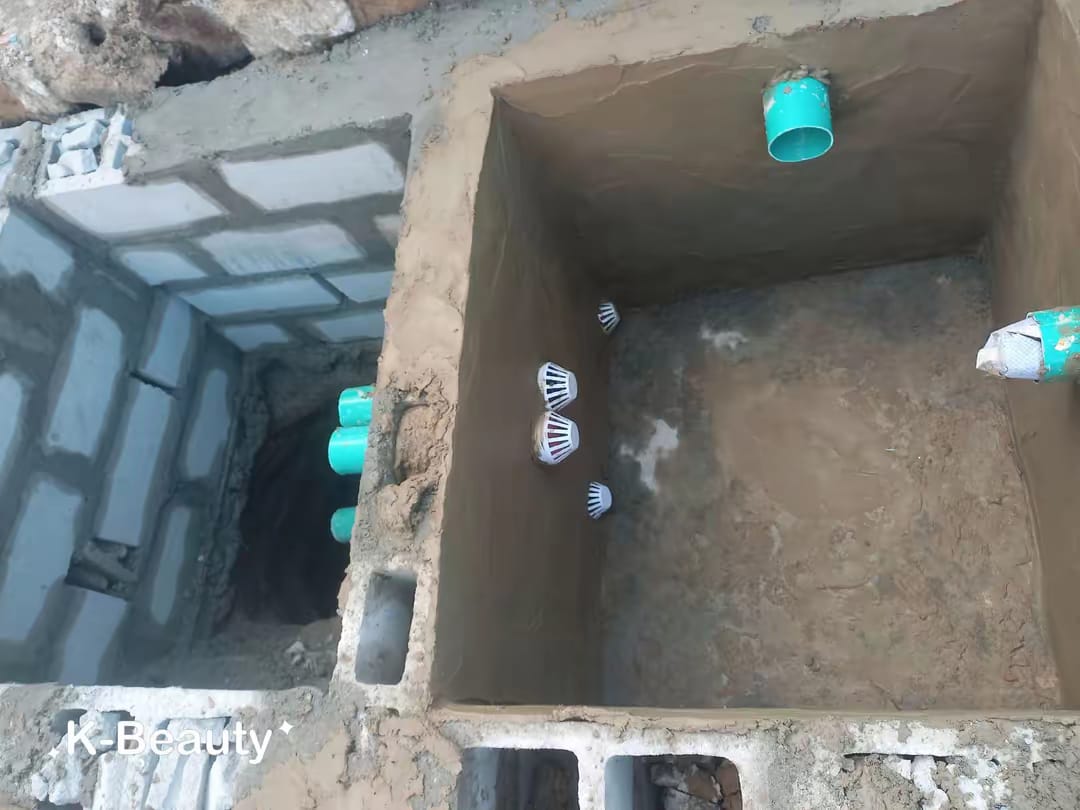
A septic tank and soakaway system is the standard off-mains sewage solution for Nigerian homes. The tank holds and partially treats the sewage, and the soakaway lets the liquid effluent drain into the ground. The two components work together: a well-built tank with an inadequate soakaway will back up, and a generous soakaway fed by an undersized tank will not treat the sewage properly. Pricing them together is the only way to budget the system honestly.
This guide explains what both components cost, how they are sized, and what to check in a quote.
2. How septic tanks and soakaways are measured
Septic tanks are measured by m³ of tank volume, which is sized from the number of users and the desludging interval. A typical household tank is 3–6 m³. Soakaways are measured per soakaway or per m³ of soakaway volume, sized by the effluent volume and the soil's ability to absorb it. The two are priced separately, and the total system cost is the sum of both plus the connection pipe between them.
3. Quick answer - septic tank and soakaway prices in Nigeria 2026
| Pricing basis | Low | Average | High |
|---|---|---|---|
| Septic tank, labour and materials per m³ | ₦1,000,000 | ₦2,000,000 | ₦4,000,000 |
| Soakaway, labour and materials per unit | ₦800,000 | ₦1,500,000 | ₦3,000,000 |
| Labour only, per m³ (tank) | ₦250,000 | ₦500,000 | ₦900,000 |
| Labour only, per soakaway | ₦200,000 | ₦400,000 | ₦750,000 |
Total system = (tank volume × tank rate) + soakaway + connection pipe + excavation and carting.
4. What low, average and high mean
Low is a small tank (3 m³) and a simple soakaway on well-draining soil with good access.
Average is a 4–6 m³ tank and a properly sized soakaway on typical laterite, with excavation and carting included.
High is a larger tank (8 m³+), poor-draining clay or a high water table requiring a raised or lined soakaway, or difficult access.
5. Factors that change the price of a septic tank and soakaway
- Household size - More users mean a larger tank and a larger soakaway.
- Soil permeability - Well-draining sandy or laterite soil absorbs effluent readily. Clay and waterlogged soil need a larger or raised soakaway.
- Water table - A high water table limits soakaway performance and may require a raised bed or alternative system.
- Tank type - Concrete, masonry, or prefabricated plastic tanks have different costs and lifespans.
- Excavation and carting - Deep excavation and spoil removal add cost, especially on tight plots.
- Distance from house - Longer connection runs add pipe and excavation cost.
6. Cost breakdown - what you are paying for
- Excavation and carting (15–22%).
- Tank structure and base (35–45%).
- Soakaway construction and fill (15–25%).
- Connection pipe and fittings (5–10%).
- Supervision and testing (5–10%).
7. What a septic tank and soakaway quote should include
- Tank volume and sizing basis (users)
- Tank type and materials
- Soakaway size, type, and fill material
- Excavation depth and carting
- Connection pipe run and fall
- Inspection and desludging access
- Testing and commissioning
8. What can go wrong with a septic tank and soakaway
- Undersized tank - Frequent desludging and overflow.
- Soakaway in clay or waterlogged ground - Effluent surfaces and smells.
- Poor falls on the connection pipe - Blockages and backups.
- No inspection access - Desludging becomes difficult and expensive.
- Tank too close to a well or borehole - Contamination risk.
9. Red flags to watch for
- No sizing calculation - "Standard tank" without a volume is not a specification.
- No soakaway allowance - The system is incomplete without it.
- Soakaway placed without a percolation check - The ground may not absorb effluent.
- No carting allowance - Spoil has to go somewhere.
10. Questions to ask a septic tank and soakaway contractor
- What tank volume are you pricing, and how did you size it?
- What type of tank and soakaway are you building?
- Have you checked the soil for soakaway suitability?
- Is excavation and carting included?
- How will the tank be accessed for desludging?
11. How to compare two septic tank quotes
Compare on tank volume and type, soakaway size and type, excavation and carting, connection pipe, and desludging access. A cheaper tank with a small soakaway on clay is not a saving — it is a system that will back up. Ask both contractors for the tank volume and soakaway size in writing, and confirm whether carting is included. If you are considering a biodigester instead, compare before you build on total installed cost and maintenance.
12. Septic tank and soakaway compared with a biodigester
| Option | Cost basis | Best for | Trade-off |
|---|---|---|---|
| Septic tank and soakaway | Per m³ plus per soakaway | Standard household sewage | Odour, soakaway needs space |
| Biodigester | Per unit plus installation | Households wanting gas and low odour | Higher upfront cost, needs gas use |
| Package treatment plant | Per plant | Larger buildings | Higher cost, needs power |
| Pit latrine | Per pit | Temporary or low-cost | Not suitable for permanent homes |
13. Common mistakes
- Sizing the tank without the soakaway - The two must be designed together.
- Ignoring soil permeability - A soakaway in clay will not work.
- Skipping inspection access - Desludging becomes a nightmare.
- Placing the tank near a water source - Contamination risk.
Planning example
A household of six needs a 4 m³ tank and a soakaway sized to the soil, with a 10 m connection run. Multiply the tank volume by the per-m³ rate, add the soakaway, the connection pipe, excavation and carting, and supervision. Use the materials estimator to check concrete and block quantities for the tank, and confirm the soakaway suitability before excavation.
14. FAQs
How much does a septic tank and soakaway cost in Nigeria?
It depends on tank volume, soakaway size and soil, and excavation. This guide gives per-m³ and per-soakaway rates to build a budget.
How big should a septic tank be?
Typically 3–6 m³ for a household, sized by users and desludging interval. A contractor should show the calculation.
How do I know if my soil is suitable for a soakaway?
A simple percolation test, or observation of how quickly a test hole drains, gives an indication. Clay and waterlogged soil are unsuitable.
How often does a septic tank need desludging?
Typically every 2–5 years, depending on size and use.
Can I use a soakaway with a high water table?
It is difficult. A raised soakaway bed or an alternative system may be needed.
Is a biodigester better than a septic tank?
It produces gas and reduces odour but costs more upfront. The choice depends on your priorities.
Related Skillland services and guides
Ready to install a septic tank and soakaway? Post your project with your household size and soil details, and compare contractors who size the tank and soakaway together.
Septic Tank Construction costs by state and the FCT
Choose a state or the FCT to view the local septic tank construction page, pricing and project guidance.
South West
North Central
South South
South East
North West
North East
Ready to start your project?
Post your project on Skillland and connect with trusted artisans and contractors in Nigeria.
Post a Project